Buying guide
Hanging Heavy Bag Buying Guide (2027): Mounts, Load, Length, and Fill
How to buy a hanging heavy bag: audit the mount and its load rating first, choose length by discipline, decide filled versus unfilled, and plan chains, swivel.
Audit the mount before the bag
Find the structure: a joist, a beam, or a stand with a maker heavy bag rating. The working load is bag weight plus swing and shock, which is why every spec table in this guide says rated well above bag weight. A spring link and a swivel reduce shock and twist, but they do not rescue a mount fixed into weak material. When in doubt, a heavy, ballasted stand is the honest fallback.
Choose length by curriculum
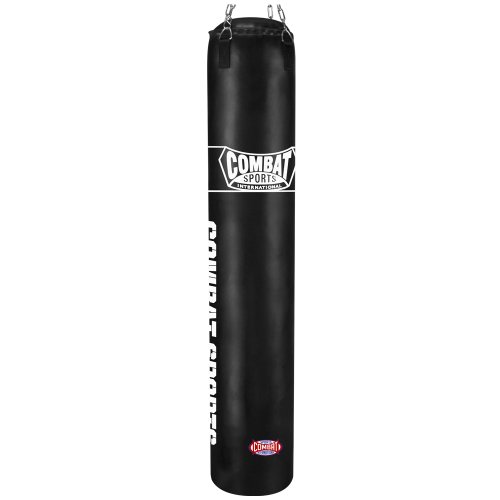
Write down your ten most trained techniques. If low kicks, teeps, and clinch knees are on the list, a 6 foot bag justifies its housing demands. If the list is boxing combinations and conditioning, a 4 foot bag in the right weight class is the better tool and the easier housemate. Length bought for an art you do not train is just cost.
Top picks from our research
Full ranked list

Pick a weight class for swing, not ego
Bag weight controls swing speed and how much a bag punishes pushing technique. Lighter bags around 65 to 70 lb suit lighter strikers, stands, and timing work. The 100 lb class is the adult boxing standard. Very heavy fills suit power development for experienced strikers with mounts to match. Match the class to your body and mount, in that order.
Filled versus unfilled, priced honestly
Add delivery and hanging help to a filled bag price. Add fill material, packing time, and one settling refill to an unfilled bag price. Then decide. Buyers who run this full accounting rarely regret either format; buyers who compare sticker prices alone often regret both.
Chains, swivel, and clearance
Budget the hardware stack as part of the system: a rated chain set, a swivel, optionally a spring, and the mount itself. Then measure the swing circle the bag will actually use, keeping walls, racks, and people out of it. A bag that clips a wall every round is a bag hung in the wrong place, whatever its quality.
FAQ
Hanging Heavy Bags questions, answered straight
What gloves should I use on a heavy bag?
Bag gloves or training gloves with hand wraps, every session. Heavy bag work is high repetition impact; wraps support the wrist and knuckles and gloves protect skin and joints. MMA gloves are for occasional speed work, not daily bag volume.
How do I reduce noise for housemates?
A swivel and spring link in the chain stack, a mount into solid structure, and controlled technique reduce structure borne noise a surprising amount. What remains is the honest sound of training; schedule it considerately.
When should a bag be replaced?
When the shell splits at a seam or strap, when D rings deform, or when fill has packed into a hard, lumpy mass that repacking cannot fix on an unfilled bag. Hardware wear is a replace now signal, because a falling bag is dangerous.