Buying guide
Home Gym Fans Buying Guide (2027): Formats, Placement, Noise, and the CFM Problem
How to buy a home gym fan: match format to room, place for felt air at the station, judge noise at working speeds, treat unsourced CFM claims with suspicion.
Match the format to the room first
Garage and dedicated lifting room: a pivoting floor circulator. Shared bedroom or living space: a tower or quiet pedestal. Multi-station room: a whole-room circulator or an oscillating pedestal. Single machine or desk corner: a compact circulator. Format errors cannot be fixed by spending more inside the wrong format, which is why this guide ranks within formats before across them.
Placement beats power
Felt air falls fast with distance. A modest fan three feet from the platform outperforms a hero fan across the room, every session. Plan the fan's spot while you plan the gym: front-side of the main station, torso aim, cord out of the lifting path, and nothing (racks, plates, mirrors) shadowing the airflow between fan and lifter.
Top picks from our research
Full ranked list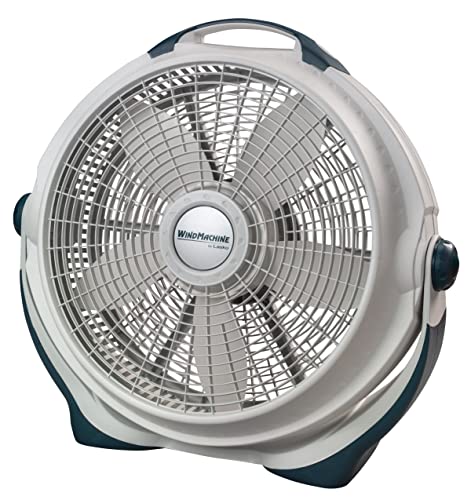

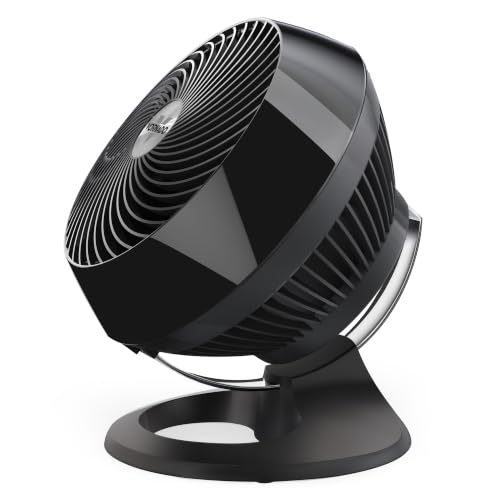
Judge noise at working speed, in your room, at your hour
Spec-sheet quiet is measured at the lowest speed in a lab. Your reality is a mid speed at 6 am through a shared wall, or a top speed in a sealed garage. Use owner feedback about the speeds people train on, and remember that a fan returned for noise helps no one; buy the quiet class your household actually requires.
Treat airflow numbers with informed suspicion
CFM sounds precise and compares poorly: makers test differently, many publish velocity or throw distance instead, and some publish nothing. A listing that quotes a huge CFM the maker never published is telling you about the listing, not the fan. Size, blade format, and consistent owner reports of felt air are the reliable evidence, and this guide's spec tables flag unpublished figures explicitly.
Plan cleaning and cord safety as part of the purchase
Gym air carries chalk and dust that load grills and intakes, throttling airflow and adding noise within a season. Prefer fans whose grills you can reach and clean, route cords where plates never drop and feet never trip, and put the fan's cleaning on the same monthly list as the rest of the gym. A clean mid fan out-cools a filthy premium one.
FAQ
Home Gym Fans and Cooling questions, answered straight
What size fan does a one-car garage gym need?
An 18 to 20 in class circulator or pedestal head covers the main station and most of the bay in felt-air terms. Bigger rooms and two stations argue for two fans rather than one oversized unit.
Do I need a fan and a dehumidifier or AC?
They do different jobs: fans cool people, dehumidifiers dry air and protect equipment from rust, and AC cools rooms at real cost. Most home gyms start with a fan, add dehumidification in damp basements, and reserve AC for enclosed rooms in hot climates.
Are smart fans worth it in a gym?
In living-space gyms, yes for the scheduling and mid-set control. In garages, mechanical fans on smart plugs deliver most of the benefit for less. Match the intelligence to the room's other jobs.