Fix it
Senior Home Gym Problems and Fixes: Seat Fit, Chair Roll, Band Wear, and Stations That Feel Harder Than They Should
Fix the common senior gym problems: a recumbent seat set wrong, a chair rolling away from an under desk unit, pedal straps slipping, flat bands aging.

Most problems in a senior gym are fitting problems wearing a disguise: a seat two notches off, a chair that was never meant to be exercise equipment, a resistance dial that advanced faster than the plan. Work this list slowly, one adjustment at a time, and keep the log beside the equipment while you do. Nothing here requires strength to fix, only sequence.
The recumbent bike feels uncomfortable or knees complain
Refit the seat before anything else: slide it until the knee keeps a gentle bend with the pedal furthest away, lock it firmly, and mark the rail position with tape. Then drop the resistance to its lightest setting for a week of shorter rides. Discomfort that survives a correct seat and an easy week belongs in a clinician conversation, not in a tougher effort.
The chair rolls or creeps during under desk pedaling
Retire the rolling chair from exercise duty. Use a firm four legged chair, or lock and chock the casters, and place the unit on the mat so both it and the chair share one grippy surface. Check the arrangement monthly; a solution that was firm in week one can loosen into the same problem by week six.
Pedal straps slip or feet wander on the pedals
Set straps snug over the widest part of the shoe, pedal in closed, flat soled footwear rather than socks, and confirm the pedal is at the height your seat fitting assumes. On the floor pedalers, a mat that stops the unit creeping also stops most foot wander, since both come from the same sliding.
A flat band shows nicks, tears, or pale stretched patches
Retire that band the day you see it. Band failure happens at damage, and a light band snapping is a startle no one needs. Replace with the same level, review where it anchored for sharp edges or rub points, and keep the set stored flat, dark, and away from heat so the next band ages at its slowest.
The squat trainer saddle is too firm for full sessions
Add the cushion owners standardize on: a folded towel first to test thickness, then a seat pad if the test helps, secured so it cannot slide. Recheck handlebar and seat height after adding any padding, since an inch of cushion is an inch of fitting. Discomfort that is joint based rather than surface based goes to the plan, not the pad.
Sessions suddenly feel much harder than last week
Audit the dial before the body. Resistance settings get bumped by cleaning, by second users, and by hopeful adjustments forgotten by morning. Return to the last logged setting, rebuild in minutes first and load second, and write the setting down after every session. A sudden wall is almost always a changed variable, and the log finds it.
Still stuck? Compare the current top picks
Full ranked list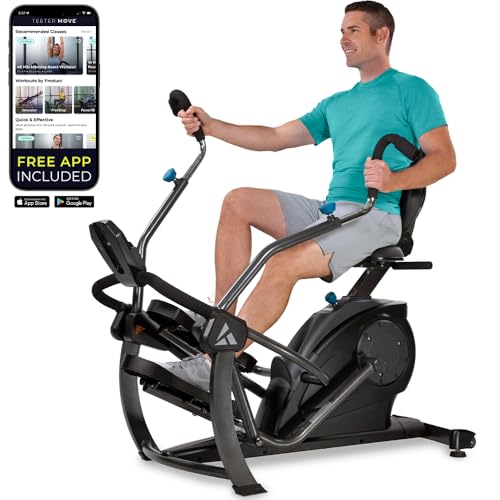


FAQ
Home Gym for Seniors questions, answered straight
How often should this equipment be checked over?
A monthly unhurried pass: seat locks and rail positions, pedal straps, band surfaces, strap webbing on the stretch strap, and a hand on every bolt of the stations. Five minutes, ideally by the same person who uses it, because they will feel a change before they can name it.
A piece has become genuinely too easy. What is the next step?
Progress inside the piece first: minutes, then resistance level, then a second daily session for the under desk units. If the ceiling is truly reached, the hub's own ladder points upward, from floor pedaler to recumbent, from recumbent to the FreeStep's shared arm work, one proven habit funding the next.
When should a problem stop being a home fix?
When it involves pain that persists beyond a session, any cracked frame or seat component, a frayed structural strap, or a resistance unit that changes setting by itself. Those are clinician or manufacturer matters respectively, and pausing one station while they resolve still leaves the rest of this gym training.