Fix it
Kettlebell Weight Selection Mistakes: Buying Too Heavy, Too Light, or the Wrong Bell
Kettlebell weight selection mistakes that waste money and stall progress: a swing weight bought for pressing, a press weight bought for swings, and a full set bought before you know your press.
Kettlebell buying goes wrong before the first swing, because the weight that is right for one movement is wrong for another. A bell you can swing confidently is usually far too heavy to press overhead, and a bell you can press for reps is usually too light to train the hinge. The kettlebell troubleshooting guide covers what goes wrong with the bell itself, rust, chips, and grip. This page covers what goes wrong with the choice: the sizing mistakes that leave owners with a bell they cannot use, a set they outgrow in a month, or a handle that fights their hands on every rep.
Buying a swing weight for pressing
The swing is a hip-driven movement, so it tolerates a heavy bell. The press is a shoulder-driven movement, so it does not. Buyers who pick one weight for both jobs usually pick the swing weight, and then cannot press it safely for a single clean rep. The honest fix is to size the first bell for the press, not the swing: a bell you can press overhead with control is the bell that teaches the hinge too, just with lighter load. The REP Fitness Kettlebell is a useful first buy here, because its core range runs from 9 to 53 lb in matched powder coat singles, so the press weight and the later swing weight can be the same bell family. For a first-bell shortlist sized this way, see the best kettlebells for beginners guide.
Buying a press weight for swings
The mirror image of the first mistake: a light bell that presses beautifully and then feels like a toy on swings, deadlifts, and goblet squats. The hinge wants load, and a bell chosen purely for pressing will not deliver it. The answer is not to buy the heaviest bell on the shelf, it is to accept that two weights are the real minimum for a two-movement routine, and to buy them in the right order. A light bell from the SPRI Vinyl Coated Kettlebell line, which runs from 5 to 25 lb in coated, colour-coded weights, teaches the press and the hinge pattern at light load, and a heavier cast iron bell follows once the pattern is sound. The best kettlebell sets guide shows how those two weights are usually bought together without paying for a full run.
Starting too heavy to learn the hinge
The hinge is a skill before it is a strength movement, and a heavy bell hides bad form behind momentum. Beginners who start heavy tend to squat the swing, pull with the arms, and round the back, because the weight forces compensation from the first rep. Start with a bell light enough that you can feel the hips doing the work and the arms staying loose, then add weight once the pattern is clean. A mid-range cast iron bell is the usual teaching weight: the Amazon Basics Cast Iron Kettlebell sells in 10, 15, 20, 25, 35, and 45 lb singles, so the learning weight is a cheap single rather than a commitment, and the wide traditional window suits a two-hand grip while the hinge is being learned. If the bell is pulling you forward or your lower back is doing the talking, it is too heavy for the learning phase.
Buying a full set before knowing your press weight
A boxed set looks like value until you discover that half its bells are weights you will never use. The 5 to 30 lb style bundles, such as the ones Yes4All sells across its 5 to 100 lb line, are genuinely useful for a beginner who needs a light run to learn with, but a full heavy set bought on a guess is money spent on iron that gathers dust. Buy the single bell that matches your press first, train with it for a few weeks, and only then buy the next weight up once you know what your press actually is. The Kettlebell Kings Cast Iron Kettlebell, sold as singles from 9 to 88 lb with colour bands by weight, is built for exactly this buy-one-at-a-time path, and the best cast iron kettlebells guide ranks the singles worth building a run from.
Ignoring handle window size on coated bells
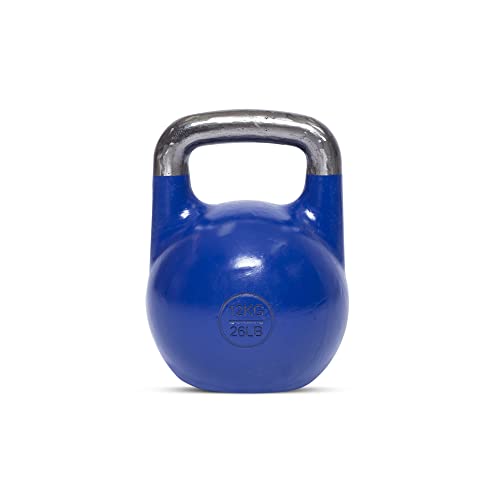
The window is the gap between the handle and the bell body, and it decides whether the bell sits comfortably in the rack position on your forearm. Coated bells often have a smaller window than bare cast iron, because the coating eats into the space. The SPRI Vinyl Coated Kettlebell is the clear example in this guide: its compact coated window is smaller than its cast iron rivals, which suits light learning work and suits nobody trying to clean a heavier bell into a rack. Before buying a coated bell, check the window against your own hand: two fingers should sit comfortably in the rack position without the bell pinching the wrist. The kettlebell troubleshooting guide covers the forearm bruising that follows when a small window forces a bad rack position, and it is worth reading before the purchase rather than after the first bruise.
Choosing enamel when you need chalk grip
Finish decides how a bell holds chalk, and chalk decides how a bell holds you. Powder coat takes chalk well: the Kettlebell Kings and REP Fitness bells both carry a powder coat finish that grips chalk and keeps hands secure through high-rep sets. Enamel resists it: the Amazon Basics Cast Iron Kettlebell carries a painted enamel finish, and its own record notes that enamel resists chalk, so sweaty hands on an enamel handle need liquid chalk or light lifting gloves instead. Neither finish is wrong, but they suit different hands. If you train high reps, sweat heavily, or already use chalk on other lifts, buy powder coat. If you train light sets in a living room and never touch chalk, enamel is a fair saving.
Buying by the set price instead of the bell you will actually swing
The cheapest per-bell price is not the cheapest route to a bell you use. A set priced to look like a bargain usually includes weights you will outgrow in a month and a finish you would not have chosen on a single. The better maths is cost per session on the one bell you will swing most: a single Kettlebell Kings bell at your press weight, or a single REP Fitness bell with its matte powder coat and dual lb and kg markings, will see more sessions in its first year than a whole boxed set of wrong weights. The Onnit Primal Kettlebell is the extreme version of this logic in reverse: it runs from 18 lb to 90 lb by character with a sculpted face and a handle of about 1.4 in on mid characters, and owners pay for the art knowingly. Whether the premium is art or finish, buy the bell you will actually pick up, and let the set price follow that decision rather than lead it. For the honest set options once your weights are known, the best kettlebell sets guide compares true bundles against build-your-own singles.
Still stuck? Compare the current top picks
Full ranked list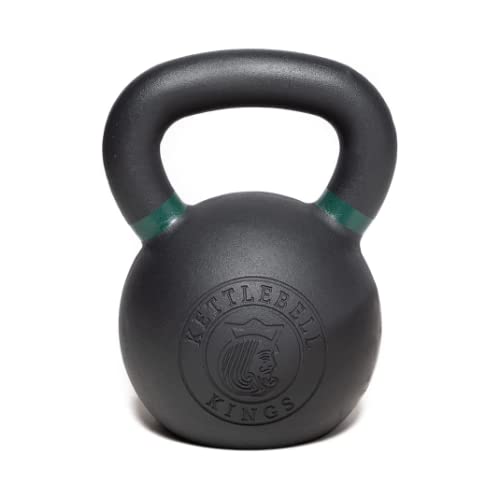

FAQ
Kettlebells questions, answered straight
What weight should a beginner start with?
Start with the weight you can press overhead with control and swing with a clean hinge, not the weight you can deadlift. If you are choosing between two weights and unsure, take the lighter one: a bell that is slightly too light still teaches the hinge, while a bell that is too heavy teaches compensation. The best kettlebells for beginners guide ranks first bells by exactly this logic.
Is one kettlebell enough to start?
Yes, for the first weeks. One bell sized to your press teaches the hinge, the goblet squat, the deadlift pattern, and the press, which is a full beginner routine. Add a second, heavier bell once the hinge is clean and the swing starts to feel light; that is the point where the first bell becomes the press bell and the second becomes the swing bell.
Can I press the bell I swing?
Usually not, and that is normal rather than a failure. The swing uses the hips and tolerates far more load than the press, which uses the shoulder. Owners who try to force one weight into both jobs end up pressing a bell that is too heavy or swinging a bell that is too light. Two weights is the honest minimum, and the Yes4All review shows how a light run of weights covers both jobs from day one.
When should I go heavier?
When the current bell feels light on the swing and your hinge stays clean at full speed, not when a calendar says so. The clean test is form: if the heavier bell keeps your back flat, your arms loose, and the bell floating at the top of the swing, the jump was right. If the heavier bell pulls you forward or turns the swing into a squat, go back down a weight and keep training.