Buying guide
Portable Steam Sauna Buying Guide (2027): Steamer Liters, Tent Fit, and the Drying Routine
How to buy a portable steam sauna: size the steamer to your session length, measure seated headroom, inspect frame and fitting quality signals.
Size the steamer to your longest session
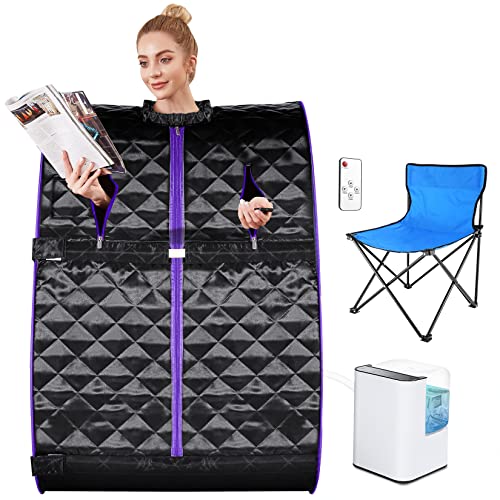
Capacity is endurance. A 2 L pot serves shorter sessions and boils quickly; 3 L is the flexible class most households land on; 4 L and above exist for long sessions and back to back users. Buy for your longest regular session, not your average, because running dry mid session is the one interruption this category cannot patch. Remember the offset: larger volumes take longer to reach a boil from cold.
Measure the seated fit, not the photo
Tent dimensions only matter as seated clearances. Sit in the chair you will use, measure your seated height and shoulder width, and compare against the tent's interior class: compact tents around 65 in tall serve shorter users in tight rooms, standard 71 in tents fit most adults, and full size wide tents are the tall user's real option. Knees against a door zipper is a fit failure no steamer can fix.
Top picks from our research
Full ranked list

Judge build by its known weak points
Steam generation is mature; kits fail at joints, zippers, and fittings. Look for owner evidence on frame connector sturdiness, two handed zipper design at the door base, and hose fittings that seat with a positive lock. A brand that publishes a manual and sells spares is telling you something about expected service life, and this hub's rankings listen.
Plan water, power, and drainage before day one
The steamer needs a stable surface outside the tent, an outlet it does not share with other heavy loads, and a hose run without kinks. The tent needs a floor that tolerates drips on entry and exit: bathrooms and tile spare rooms dominate owner setups for a reason. Condensation will pool at the tent floor; a mat you can lift and dry belongs in the plan.
Adopt the drying routine as part of the price
Every kit here asks the same aftercare: tent left open until fabric is fully dry, steamer emptied and dried, floor wiped. Ten minutes of routine is the difference between a kit that stays fresh for years and one that smells stale by month two. If that routine will not happen in your household, a steam tent is the wrong format and a blanket style product from the sister hub will serve better.
FAQ
Portable Steam Saunas questions, answered straight
What temperature do these tents reach?
Steam tents create a hot, saturated environment rather than a precise dry temperature. Maker listings quote various internal figures, but the practical measure owners use is how quickly the tent fills with dense steam and holds it, which tracks steamer wattage and tent size more than a printed number.
Can I use tap water?
Makers generally permit tap water, and many owners choose distilled to slow mineral scale on the heating plate. Either way, the descaling routine in this hub's troubleshooting guide is periodic maintenance, not an emergency repair.
How much electricity does a session use?
Steamers in this guide run in the 1000 to 1500 W class while boiling, cycling as the unit maintains output. Treat the kit like any portable heater class appliance for circuit planning: its own lightly loaded circuit, no daisy chained strips.