Fix it
Rowing Machine Form Mistakes: The Errors That Waste Your Stroke and Strain Your Back
Common rowing machine form mistakes and how to fix them: shooting the slide, opening the back early, pulling with the arms, over-compressing at the catch, rushing the recovery, and more, tied to air, water, and magnetic rowers.
A rowing stroke has an order, and the order is the whole technique: legs first, then the body swings, then the arms finish. Every mistake in this guide breaks that order in a different place, and each one costs power in the same way, by asking a small muscle to do a big muscle's job or by throwing the body ahead of the handle. The fixes are small and physical. Slow the stroke down, feel which part moves first, and let the machine tell you when the order is right, because a clean stroke feels smooth on every resistance type in this hub.
Shooting the slide: the seat races back while the handle stays still
Your legs drive hard but your hands do not move, so the seat shoots towards the back of the rail and the handle lags behind. It is worst on air rowers, because the fan on a Concept2 RowErg or a Stamina ATS Air Rower 1405 rewards a hard leg drive with more resistance and never tells you the handle was left behind. Fix it by bracing your core before the drive and thinking of pushing the machine away with your feet while your arms stay straight and quiet. Practise at a slow stroke rate with the drive taking about one count and the recovery taking two, and stop the set the moment the seat starts to outrun the handle. On a water rower such as the WaterRower Ash S4 or the JOROTO MR23 the same fault shows as a splashy, uneven pull, because the tank surges only when handle and seat move together.
Opening the back too early at the catch
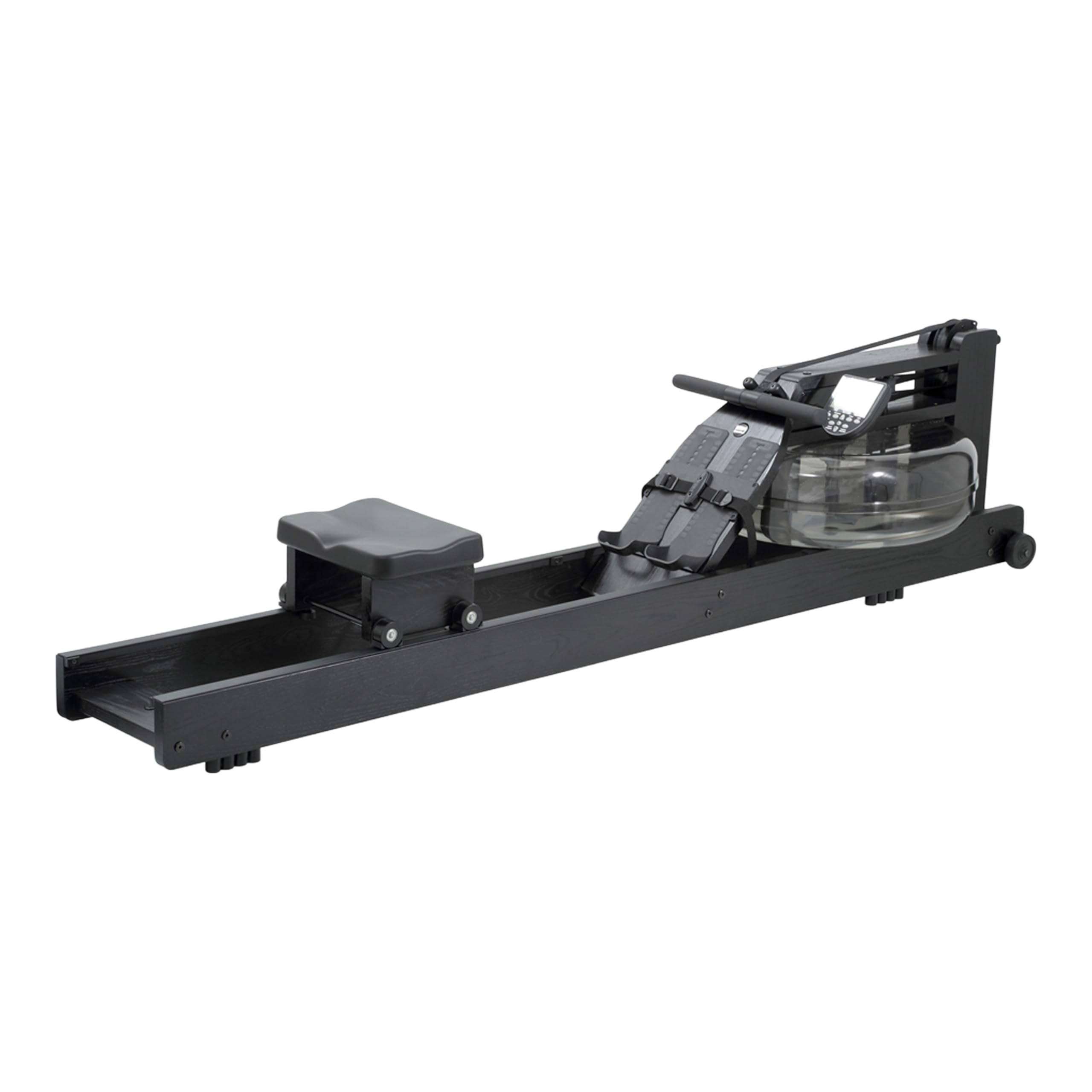
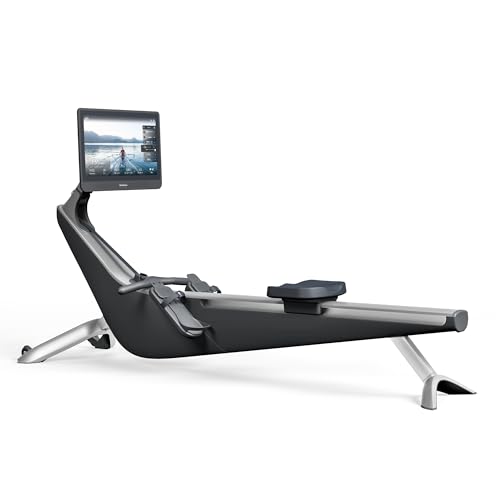
Your shoulders swing open before your legs have finished pushing, so your lower back takes the load your legs should have carried. It is the most common cause of a sore back after rowing, and it is also the easiest to feel: if your hips open while your knees are still bent, the timing is wrong. Keep your body angled forward with a straight back until your legs are nearly straight, then let the swing happen. The Hydrow and the Hydrow Wave help here, because their instructors teach form, not just effort, and their coaching cues call out the legs, body, arms order early in a session. If you row without a screen, say the order quietly to yourself for the first minutes of every session until it stops needing words.
Pulling with the arms first
Your arms bend at the catch and drag the handle towards your chest while your legs are still folded, so your arms tire in minutes and your legs never get the work. It is a particular trap on magnetic rowers, because a fixed load such as the 8 levels on the Sunny Health and Fitness SF-RW5515 Magnetic Rowing Machine stays the same whatever you do, and a hard arm pull feels like effort even when it produces little power. Keep your arms straight until your legs are nearly extended and your body has swung, then draw the handle in with the elbows passing close to the body. If your forearms burn before your legs do, your arms are starting the stroke. Drop the resistance a level or two on the Sunny or on the ECHANFIT Water Rowing Machine hybrid, with its 32 mechanical adjustment levels, and rebuild the order at a load your legs can own.
Over-compressing at the catch: shins past vertical, heels lifting
You slide too far forward, your shins pass vertical, your heels lift off the footplates, and the drive starts from a cramped position with no power in it. Check your rail first, because fit decides this one. The Sunny SF-RW5515 rail suits average heights rather than the very tall, so a tall rower on it will either over-compress or cut the stroke short. The JOROTO MR23 and the Sunny Health and Fitness Smart Magnetic Rowing Machine SF-RW522016 both offer longer rails that suit taller rowers, and the Concept2 RowErg needs a working footprint of about 9 by 4 ft, which includes the space your body occupies behind the rail. Set the foot stretcher so the strap crosses the widest part of your shoe, slide forward only until your shins reach vertical, and stop there even if the rail has room left. That is the catch, not the front stop.
Rushing the recovery and slamming into the next catch
You hurry back up the rail, crash into the catch, and start the next drive before your body has settled, so every stroke begins in a rush and the flywheel never gets a clean pull. It matters most on water rowers, because the tank needs the recovery to settle: on a WaterRower Ash S4 or an XTERRA Fitness ERG600W Water Rowing Machine, a rushed return fights the water instead of letting it calm. Count the recovery as twice as long as the drive, hands away first, then body forward, then the seat slides, in that order. If you hear the chain or the seat arriving with a clatter, you are rushing. Slow the return until the machine goes quiet between strokes, and let the stroke rate fall where it falls. For the maintenance side of a noisy return, including chain and seat checks, see our rowing machine troubleshooting guide.
Gripping the handle too hard
White knuckles and aching forearms mean the handle is being squeezed rather than hooked. A hard grip tenses the shoulders, locks the elbows, and steals power from the drive, and it shows up fastest on long rows where the seat and handle comfort are already basic, as on the Stamina ATS Air Rower 1405. Hold the handle with relaxed fingers, like hooks, with the thumbs resting lightly on top rather than wrapping hard. Shake your hands out at the end of each easy interval and check that your forearms feel loose, not pumped. If your hands still hurt, the problem may be the handle shape rather than your effort, and a looser grip plus a short break between pieces will tell you which it is.
Low stroke rate with muscled, grinding pulls
You row at a slow rate and haul every stroke as hard as you can, so the workout becomes a series of heavy deadlifts rather than rowing. On an air rower the fault hides well, because the Concept2 RowErg damper, set from 1 to 10, changes airflow and feel rather than a fixed resistance level, and a high damper setting invites exactly this grinding style. Set the damper by feel rather than by the number on the lever, choosing a setting where the stroke feels connected without forcing you to heave, and lift the rate a little while easing the force per stroke. The same trap waits at the top of a magnetic range: stronger owners outgrow the top level of the Sunny SF-RW5515 and start muscling what is left. If the load cannot be raised cleanly, raise the rate and shorten the pieces instead of grinding the same heavy pulls.
Slouching at the finish and collapsing over the handle
You finish each stroke folded forward over your knees, shoulders rounded, and then have to haul yourself upright to start the next one. It wastes the recovery and loads the lower back twice per stroke. Seat height makes it worse: the WaterRower Ash S4 seat sits about 12 inches off the floor and the Sunny SF-RW5515 about 11 inches, so a low seat plus a slouched finish leaves little room to sit tall. Sit tall at the finish with the handle touching lightly below the ribs, shoulders down and back, and hold that position for a beat before the hands move away. The Concept2 RowErg tall-leg version, with its seat at 20 inches rather than the standard 14, suits rowers who find low seats hard to rise from, and a higher seat makes a tall finish far easier to hold. Our full review of the Concept2 RowErg covers the leg options and the fit checks that go with them, and the rowing machine buying guide sets out seat height against mobility before any other fit decision.
Still stuck? Compare the current top picks
Full ranked list
FAQ
Rowing Machines questions, answered straight
What stroke rate should a beginner hold?
Slow enough to keep the order clean, usually in the low twenties per minute for steady work, with the drive taking about one count and the recovery two. A rate that forces you to rush the recovery or shoot the slide is too fast for your current form, whatever the monitor says. Build the rate up only when the order survives it.
Should I use the damper or resistance setting to fix my form?
Use it to make good form easier, not to hide bad form. On the Concept2 RowErg, a moderate damper setting gives a connected stroke without inviting grinding pulls. On the ECHANFIT hybrid, a middle water level with a modest mechanical setting leaves room to feel the legs doing the work. If a setting makes your arms or back do the work, it is the wrong setting for today.
How do I know if my rail is too short for my legs?
If your shins pass vertical at the catch even when you stop the slide deliberately, or if you cannot reach full compression without your knees hitting your chest, the rail is cutting your stroke short. The JOROTO MR23 and the Sunny SF-RW522016 are the budget picks in this hub with longer rails for taller rowers, and rail length is a fit failure, not a preference, so it should be checked before price.
Does a screen rower teach form better than a basic rower?
It can, if you use the coaching. Hydrow owners praise the form instruction specifically, and the instructors on the Hydrow and the Hydrow Wave teach the stroke sequence early, which protects backs and builds speed faster than silent solo rowing. A basic rower with a mirror or a phone video of your own stroke can teach the same lessons, but it asks you to look for them yourself.