Buying guide
Smart Home Gym Buying Guide (2027): Ratings, Mounts, Subscriptions, and Total Cost
How to buy a smart home gym: decode resistance ratings, choose a mounting format, price the subscription honestly, and match accessories to your program before.

Decode the resistance rating first
Find three numbers in the maker documentation: the headline rating, whether it is per cable, per unit, or combined, and the smallest load step. Walk your five heaviest movements through those numbers. A hinge uses the combined figure, a single arm row uses one cable share, and a press with a bar shares the load across both sides. If the documentation will not say how the rating is quoted, treat that silence as your answer about the brand.
Choose the mounting format your home allows
Wall systems need studs, clearances, and permanence. Frames need floor depth and ceiling height. Platforms need lifting room around a flat base. Portable units need a rack or door you trust. List your room constraints before your movement wishes, because the format decision eliminates half this guide instantly and correctly. Renters should get mounting permission in writing or stay freestanding.
Top picks from our research
Full ranked list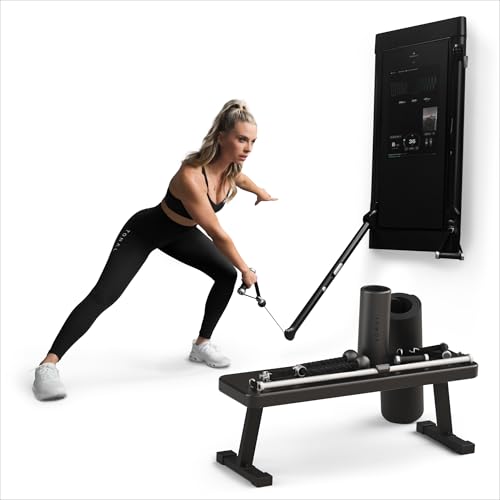

Price five years, not the checkout
Add the hardware, the accessories your program actually needs, installation if you will not DIY it, and five years of any required membership. Compare that total across systems. A subscription free platform and a membership wall unit can swap price positions entirely over five years, and accessory bundles are where platform systems quietly become premium purchases.
Match the interface to your motivation style
Class followers need a screen they will actually watch: integrated displays and deep libraries serve them. Self directed lifters need fast load changes and an app that stays out of the way. Neither is superior, but buying the wrong interface is the most common reason smart gyms become furniture. Be honest about whether a coach on a screen changes your attendance.
Plan accessories, service, and the exit
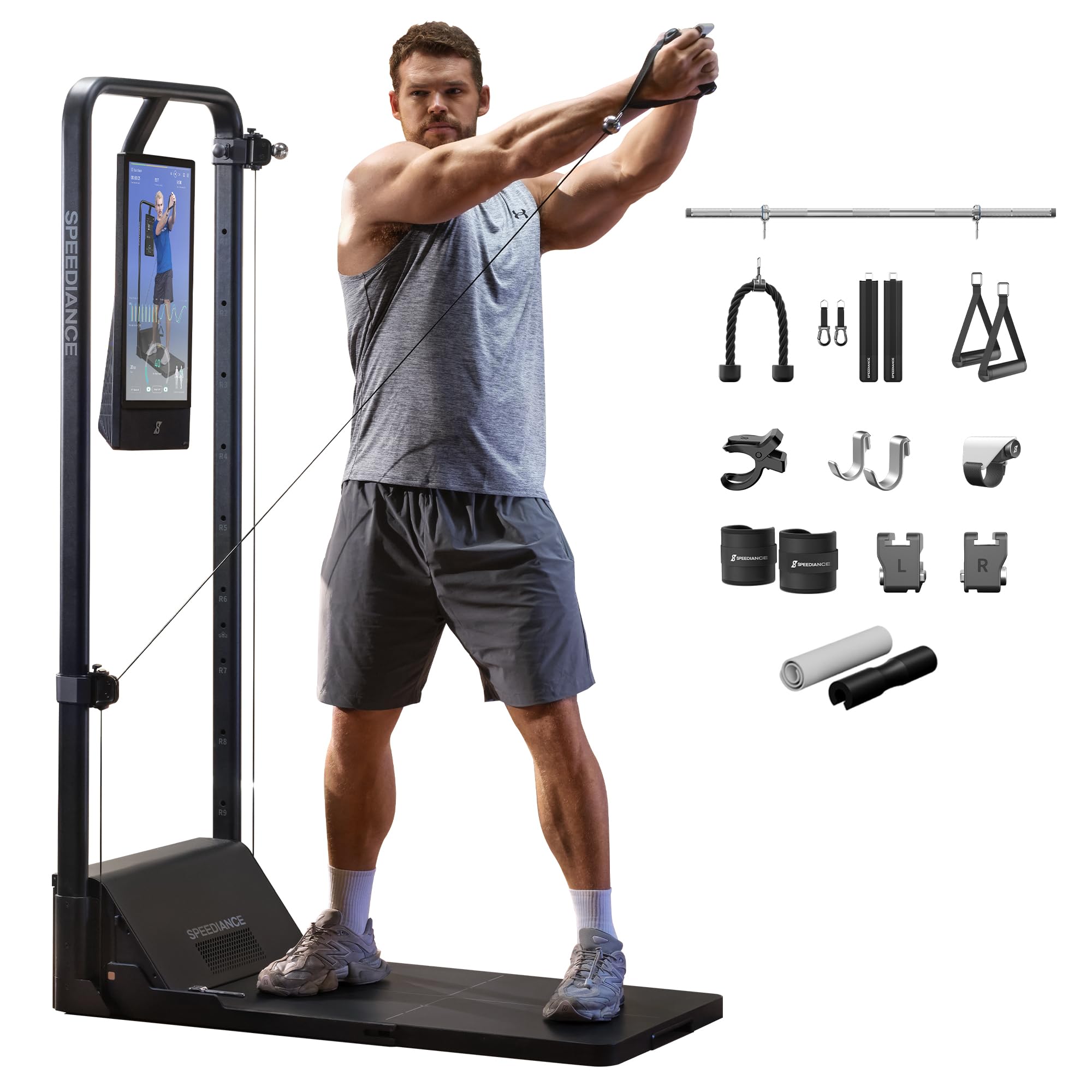
Handles, bars, benches, and ankle straps decide which movements exist in your gym, so list them per system before comparing totals. Then check cable replacement and service routes in your region, because every cable system eventually needs a wear item. Finally, consider resale reality: established brands with transferable hardware move faster than systems locked to accounts, which matters if your space or sport changes.
FAQ
Smart Home Gym Systems questions, answered straight
What resistance ceiling do most home lifters need?
For cable based general training, a system delivering roughly 200 lb through its main patterns covers years of progress for most users. Strong lifters with heavy hinge patterns should shop the combined ratings of platforms or keep free weights for those lifts.
Is professional installation worth it for wall units?
For most owners, yes: stud verification, level mounting, and clearance checks decide rigidity at load. Confident DIYers with stud finders and the maker guide can do it, but the install is structural work, not furniture assembly.
Should I buy during a sale or wait for the next model?
Smart gym hardware revisions are incremental, while subscription terms change more often. A current model at a strong price with terms you have read beats waiting for a rumored revision. Lock in the terms page details at purchase, whatever the season.