Fix it
Vibrating Foam Roller Problems and Fixes: Weak Vibration, Dead Batteries, and Foam Wear
Fix common vibrating foam roller problems: vibration fading under weight, charging faults, rollers walking across the floor, foam flattening.
A vibrating roller has two failure families: the foam side and the motor side. Diagnose which one you have before replacing anything. Weak feel under your full weight is often physics on a budget core, while a roller that changed character suddenly is usually charge, seating, or a worn end cap. Work the checks in order.
Vibration feels weak or fades under body weight
Charge to full and retest unweighted, then under one leg rather than your whole torso. If it is strong unweighted and fades only at full load, that is the motor class limit; shift position so the core sits under the working muscle. Sudden weakness at all loads after months of strength points to battery age, which is a support conversation.
Roller will not charge or turns off early
Use the original or spec-matched charger, clean the port gently, and charge uninterrupted to full. Many models protect the pack by refusing a top-up routine of tiny charges; run it down to a normal session end before recharging. If runtime keeps shrinking week to week, record it for a warranty claim.
Roller walks or rattles across the floor
Move it onto a mat, carpet, or towel. Hard floors amplify buzz and let vibration travel the body sideways. Check end caps are fully seated, since a loose cap is a common rattle source that owners mistake for motor noise.
Foam is flattening or cracking
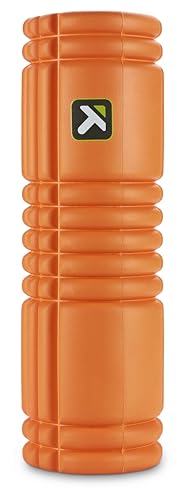
Rotate which face bears weight in storage, keep the roller out of hot cars and direct sun, and never store it under heavy kit. Surface cracks on textured foam start at the pattern edges; once the core is exposed, retire the roller, because the rigid edge changes pressure in ways you cannot control.
Buttons or touch controls stop responding
Charge first, then clean around the controls with a dry cloth; sweat and lotion are common culprits. If a specific speed step has vanished while others work, note the pattern with a date for support, since intermittent control faults rarely fix themselves.
Vibration is uneven along the roller
Test along the length on a mat at mid speed with hand pressure. Long rollers commonly feel strongest near the core and softer at the ends; that gradient is normal. A dead zone that appeared suddenly, or a grinding feel at one end, indicates a mounting problem and is a warranty topic.
Still stuck? Compare the current top picks
Full ranked list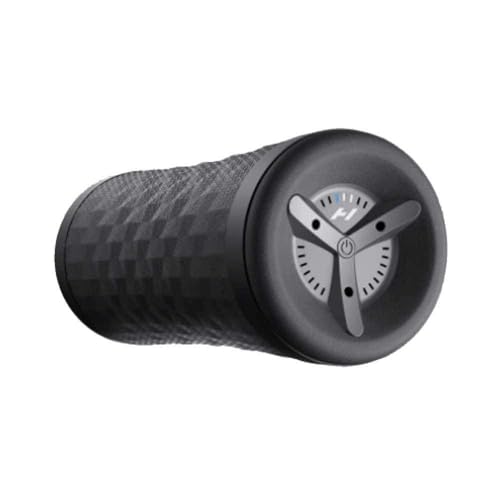

FAQ
Vibrating Foam Rollers questions, answered straight
Can I use the roller while it charges?
Only if the manual explicitly allows it. Most models are designed for cordless sessions and charging between them. Running tethered also changes how the roller moves under you, so default to no.
How do I clean a textured vibrating roller?
Wipe with a damp cloth and mild soap, keep water away from ports and seams, and dry fully before charging. Avoid soaking any model with an internal battery and motor.
When is a vibrating roller done for?
When the foam exposes the core, the battery swells or overheats, or the motor note turns to grinding. All three change the tool from controlled pressure to a hazard, and none is a home repair.