In-depth review
Amazon Basics Medicine Ball Review (2027): The Plain Rubber Ball That Bounces Back
Full research review of the Amazon Basics medicine ball: solid rubber construction, rebound behaviour, dimpled grip, weight range, and where a budget ball fits.
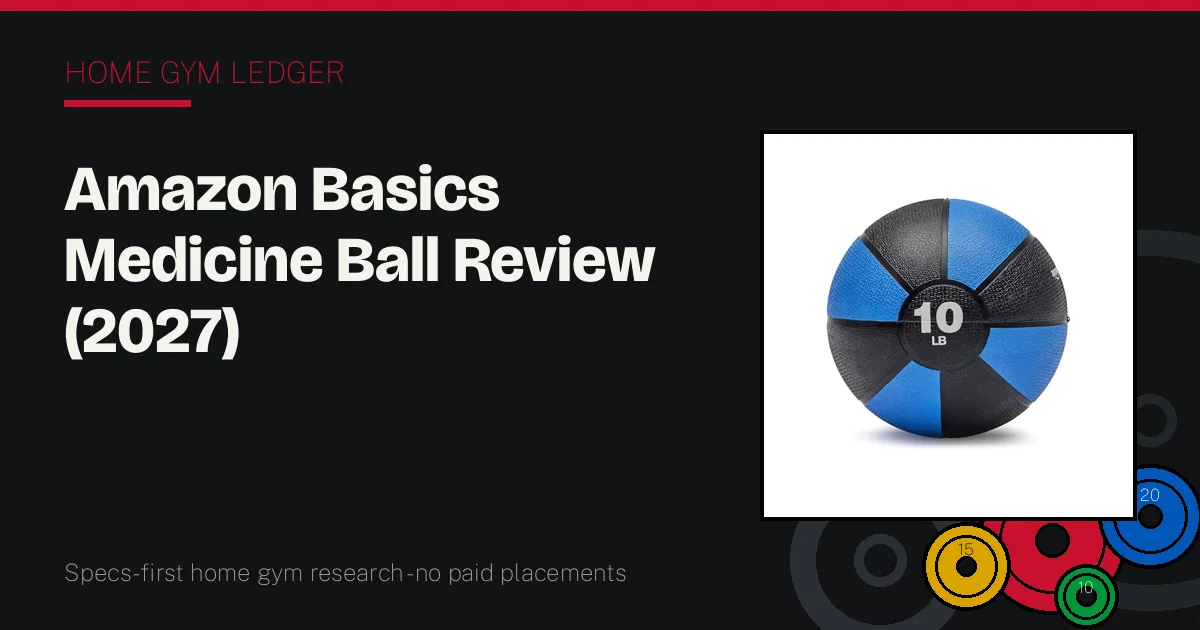
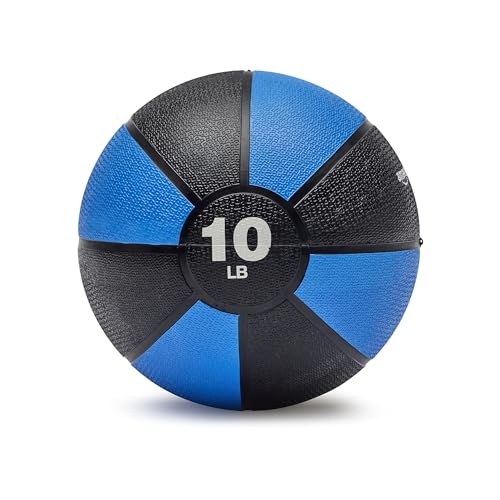
Amazon Basics Medicine Ball
Plain rubber rebounding medicine ball at an entry price.
- Medicine ball, rebounding
- Ball type
- 4 to 20 lb range (check listing for current steps)
- Weight options
- Grows with weight, approx. 7.5 to 11 in
- Diameter
Our verdict
This is a ball that knows exactly what it is. Solid rubber, no stitching to split, a textured surface, and a price that sits among the cheapest rebounding balls from a major listing. Owners describe it as simple and solid, good for ab and rotational work, and easy to wipe clean after a session. Its limits are plain too: the weight range tops out sooner than training focused brands, the rubber grip gets slick faster than coated covers, and it is not built for overhead floor slams. Bought for core work, light wall throws, and partner passes on a tight budget, it does the job it was made for without pretending to be anything else.
What we like
- Among the cheapest rebounding balls from a major listing
- Solid rubber construction has nothing to stitch or split
- Textured dimples give a basic but workable grip
What to watch out for
- Weight range tops out sooner than training focused brands
- Rubber grip gets slick faster than coated covers
- Not built for overhead floor slams
Who it is for
Budget home gym owners who want a rebounding ball for core work, light wall throws, and partner passes.
Solid rubber, and why that matters first
There is nothing to stitch or split here, because the ball is solid textured rubber through and through. That construction is the whole appeal for a budget buyer: no panels to separate, no cover to peel, and a surface that wipes clean in seconds. Owners repeat the same theme in their own words, simple and solid, and it does what a basic ball should. The trade is that solid rubber has no soft cover to forgive a bad catch, so the ball suits controlled throws and core work rather than high speed wall ball sets.
The bounce, and the surprise in it
This ball rebounds off walls and floors, which is the correct behaviour for a medicine ball and the wrong behaviour for a slam ball. That distinction catches buyers out, and owner complaints say so directly: the bounce is strong, which surprises buyers who expected a slam ball. If your workout is throws to a wall or passes to a partner, the rebound is the feature. If your workout is overhead slams into the floor, the rebound comes back at you, and this is the wrong purchase. Buy the bounce you need, not the ball that happens to be cheapest.
Grip: dimples, sweat, and humid garages
The textured dimples give a basic but workable grip, which is an honest description rather than a selling point. In dry conditions and at light to mid weights, most owners get on with it without chalk or fuss. The grip is the first thing to fade as conditions worsen: rubber gets slick faster than coated covers, and owners specifically mention grip in humid garage conditions. That is the practical limit to plan around. If your training is fast, sweaty circuits in a damp garage, the record is clear that you need a premium grip texture instead, and this ball will frustrate you in the last set.
Weight range and diameter: what 4 to 20 lb actually covers
The range runs from 4 to 20 lb, with diameter growing with weight from about 7.5 to 11 in. That spread covers the core and rotational work the ball is best for, plus light wall throws, and it stops before the heavy weights that training focused brands sell. The ceiling matters more than the floor here. A buyer who already throws a 14 or 16 lb ball comfortably will outgrow the top of this range, and should look at a brand with a wider family rather than buying the heaviest option and hoping it is enough. For a first ball, or a second lighter ball for speed work, the range is well judged.
Where it fits in a home gym
Think of this ball as the entry point to medicine ball training, not the whole category. It earns its place beside a rack for sit ups, twists, and light throws, and it is cheap enough that owning one does not block buying a specialist ball later. It does not replace a slam ball, it does not replace a 14 in wall ball, and it does not pretend to. Owners who are happy with it are the ones who bought it for the job on the label: ab and rotational work, easy cleaning, and a ball that is always ready. Keep it indoors, wipe it down, and it asks for nothing else.
Key specifications
- Ball type
- Medicine ball, rebounding
- Weight options
- 4 to 20 lb range (check listing for current steps)
- Diameter
- Grows with weight, approx. 7.5 to 11 in
- Shell / Cover
- Solid textured rubber
- Bounce
- Rebounds off walls and floors
What owners report
Commonly praised
- Simple, solid, and does what a basic ball should
- Good for ab and rotational work
- Easy to wipe clean
Common complaints
- Grip in humid garage conditions
- Bounce is strong, which surprises buyers who expected a slam ball
Recurring themes from owner reviews on retailers and forums, summarised by our editors. Updated November 2026.
Sources: Amazon Basics medicine ball product documentation, Amazon listing specifications
Also consider
 REP Fitness
 Soft Medicine Ball / Wall Ball
A 14 in hand-stitched soft medicine ball in a full 4 to 30 lb family, built for wall ball work.
- Ball type: Soft medicine ball / wall ball, low bounce
- Weight options: 4 to 30 lb family (manufacturer listing); linked option per listing
Sources: REP Fitness soft medicine ball product documentation, Amazon listing specifications
Check price on Amazonor add to your Amazon cartChoose the REP soft medicine ball if your work is wall ball shots at a standard 14 in diameter, where a soft hand-stitched shell and a low bounce suit throws and catches.
 TRX
TRX Slam Ball
Compact dead-bounce slam ball from a suspension training brand.
- Ball type: Slam ball, dead bounce
- Weight options: 10 lb (linked option); wider family range on the listing
Sources: TRX slam ball product documentation, Amazon listing specifications
Check price on Amazonor add to your Amazon cartChoose the TRX slam ball if your work is actually slams: a compact dead-bounce ball built to land and stay, rather than a rebounding ball used against its design.
Research-based assessment: manufacturer specifications and documentation, cross-checked against retailer listings and recurring themes in published owner feedback. We do not claim hands-on testing we have not performed.
FAQ
Medicine Balls and Slam Balls questions, answered straight
Can I use this ball for slams?
No, not as a habit. It is built to rebound, so overhead floor slams send it back toward you, and the solid rubber shell is not built for repeated full force floor impact. If you are torn between a rebounding ball and a slam ball, read REP soft medicine ball vs TRX slam ball first, because that comparison shows how different the two constructions and uses are.
What weight should I buy first?
Most buyers start in the middle of the 4 to 20 lb range for core work and light throws, then judge from there. Lighter weights suit speed and rotational work, heavier weights suit throws, and the diameter grows with weight from about 7.5 to 11 in, so the heavier ball will also feel bigger in both hands.