Buying guide
Cold Plunge Tub Buying Guide (2027): Ice Math, Chiller Ports, Fit, and Water Care
How to buy a cold plunge tub: run the ice versus chiller arithmetic, check chiller compatibility in writing, size the tub to your seated body.
Run the ice versus chiller arithmetic honestly
An ice tub's purchase price is its first cost, not its total. Estimate your sessions per week, your climate, and your target temperature, then price the ice habit in bags per month against a chiller's purchase and electricity. Occasional users in cool climates can plunge for years on ice for less. Daily users in warm climates cross the chiller line quickly, which is why chiller ready tubs dominate this guide's upper ranks: they let the arithmetic decide later without replacing the tub.
Verify chiller compatibility in the spec table, not the headline
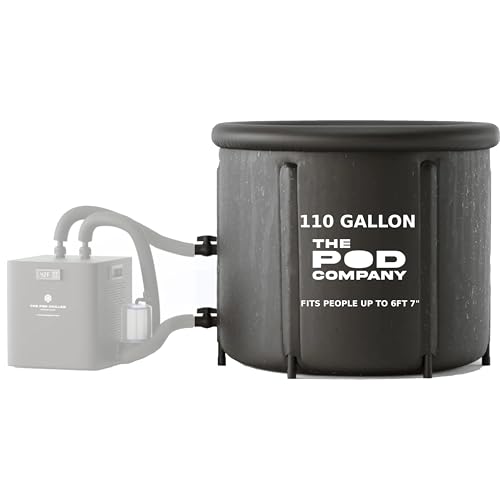
Compatible means fitted ports, stated fitting sizes, and a chiller the maker actually sells or names. This guide marks every tub as integrated, compatible, or not supported, and the not supported models are fine products for ice only buyers. What is not fine is discovering after purchase that a vague listing promise has no ports behind it, so verify before the order, and keep the documentation.
Top picks from our research
Full ranked list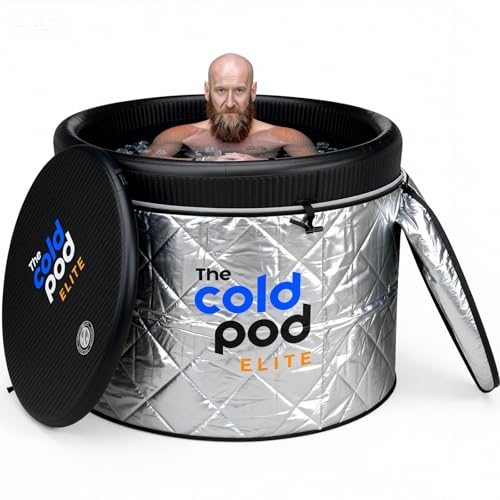

Size the tub to your seated body
Lay down tubs fit by length, upright barrels by depth and diameter. Sit in a chair, measure your seated footprint and shoulder width, and compare to the tub's interior class, remembering that waterline submergence to the shoulders is the fit that matters. Capacity follows fit: 75 to 90 gal serves most single users, 100 gal and above buys room, longer temperature holding, and a bigger ice or energy bill to chill it.
Plan placement like the water weighs something, because it does
One hundred gallons of water weighs over 800 lb before the tub and the bather. Placement needs a floor or ground surface rated and level, a fill source, and a drain path that does not involve buckets. Outdoor and garage placements simplify all three and dominate owner setups; indoor placements are entirely possible with drainage planned rather than hoped for.
Budget the water care routine with the tub
Still, unfiltered water is a short lived thing: skimming, sanitizer per maker guidance for your tub type, and regular changes are the ice tub routine. Filtered chiller systems stretch intervals substantially at the cost of filters and system care. Either routine is manageable; the failure mode is buying the tub and discovering the routine, so this guide states both wherever they apply. When the routine slips and the water clouds, warms up, or a slow leak appears, Cold Plunge Tub Problems and Fixes works through the causes in order.
FAQ
Cold Plunge Tubs questions, answered straight
What temperature should a beginner target?
Beginners in owner communities typically start at moderate cold and short immersions, then adjust by preference over weeks. The tub decision that supports that learning curve is level control: enough ice flexibility, or a chiller thermostat, rather than any particular number.
Do I need a lid?
Yes, in practice. A fitted insulated lid is what holds temperature between sessions, keeps debris and animals out, and cuts evaporation. Every pick in this guide includes or specifies one; treat a tub sold without one as a tub plus a lid purchase.
How long do inflatable plunge tubs last?
Seasons of careful use is the honest class answer, against a rigid tub's many years. The variables are inflation discipline, sun exposure, and dry storage, all of which the troubleshooting guide covers as routine rather than luck.