Fix it
Foam Roller Problems and Fixes: Dents, Softening, Squeaks, and a Roller That Hurts
Fix common foam roller problems: permanent dents, foam softening early, surface cracks, floor squeak and sliding, and sessions that hurt more than they should.
Foam rollers fail quietly: a flat spot here, a softened patch there, a session that hurts in a new way. Most causes are storage and placement rather than defects. Work through the foam checks first, then the technique checks, because a perfect roller used badly still feels like a bad roller.
Roller has a permanent dent or flat spot
Rotate the roller and give foam a day unloaded; light EPE flat spots sometimes relax. A dent that stays is permanent compression, usually from storage under weight or in heat. Prevent the next one by storing upright, unloaded, and out of hot cars. A deep flat spot that changes pressure means replacement.
Foam feels softer than when new
Check for a flat spot first, then heat exposure, then honest wear. Solid foams soften with heavy daily use over years; softening in months suggests storage abuse or a density that was too low for your body weight, and the fix is a firmer class or a rigid-core model next time.
Surface is cracking or flaking
Solvents, sun, and age embrittle foam surfaces. Clean only with mild soap and water and store out of direct sun. Once cracks open on a patterned roller they catch skin and grit; surface cracking is a retirement signal, not a cosmetic issue.
Roller squeaks or slides on the floor
Use a mat or carpet layer, especially with smooth dense foam on smooth floors. Wipe dust from both the floor and the roller; the squeak is usually a dust film. Sliding during standing or balance work is a safety issue: add the mat and a wall or support before continuing.
Rolling hurts more than it used to
Check the roller first for a deformed core or hardened surface, then check placement: new pain often tracks a small position change onto bone or a sensitive structure. Drop to a softer roller or a towel layer, shorten sessions, and treat persistent or sharp pain as a reason to stop and seek professional advice, not a product problem to solve.
Roller smells of the gym
Wipe with mild soap solution, dry fully in moving air, and store it dry rather than in a closed bag with kit. Foam holds odour at the surface; deep smells after cleaning usually mean it dried damp repeatedly, so change the storage spot.
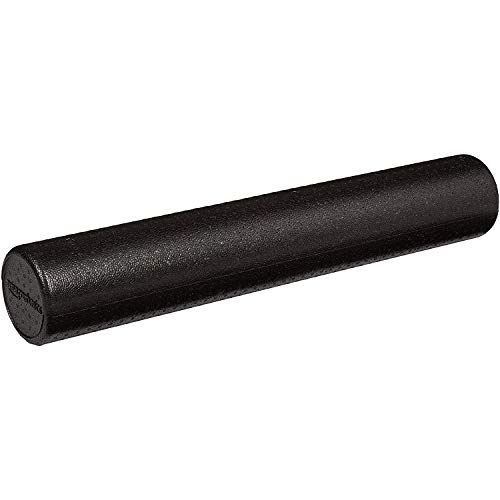
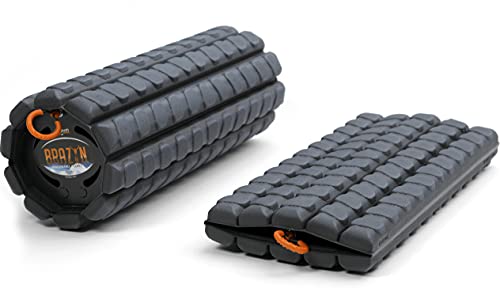
Still stuck? Compare the current top picks
Full ranked list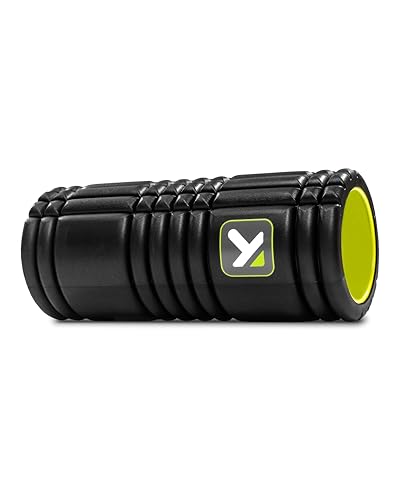
FAQ
Foam Rollers questions, answered straight
Can a dented roller be repaired?
Not durably. Heat and steam tricks circulate online, but compressed foam cells do not reliably recover, and a partly recovered roller has uneven pressure. Replacement at the right density is the honest fix.
Why does my roller crackle in cold weather?
Cold firms foam temporarily; a roller stored in a cold garage feels harder and can sound different for the first minutes. Bring it indoors before sessions in winter and the character normalises.
Is bruising after rolling normal?
Mild tenderness after a firm session is a common owner report, but visible bruising means the pressure, duration, or surface was too much for that area. Step down a density class and shorten the work; this guide does not give medical advice.