Fix it
Folding Equipment Problems and Fixes: Stiff Hinges, Wobble, Latch Trouble, and the Fold That Stopped Happening
Fix common folding gym equipment problems: hinges that stiffen, frames that wobble when unfolded, deck latches that misbehave, belts that drift after moves.

Folding equipment fails in the fold first: a hinge that stiffens, a latch that needs convincing, a frame that comes back from storage with a wobble it did not have. Work this list in order of the fold cycle, retrieve, unfold, train, refold, because most storable gym problems live in the transitions, not in the training.
A fold hinge has gone stiff or gritty
Clean before you lubricate: brush and wipe grit out of the joint, fold the unit on a flat floor so the hinge is not fighting a twist, and work it through its range. Use only the lubricant the manual allows, sparingly. A hinge that stays stiff when clean and aligned is a warranty or parts issue, and forcing it converts a stiff hinge into a bent one.
Unfolded frame wobbles that it did not have before
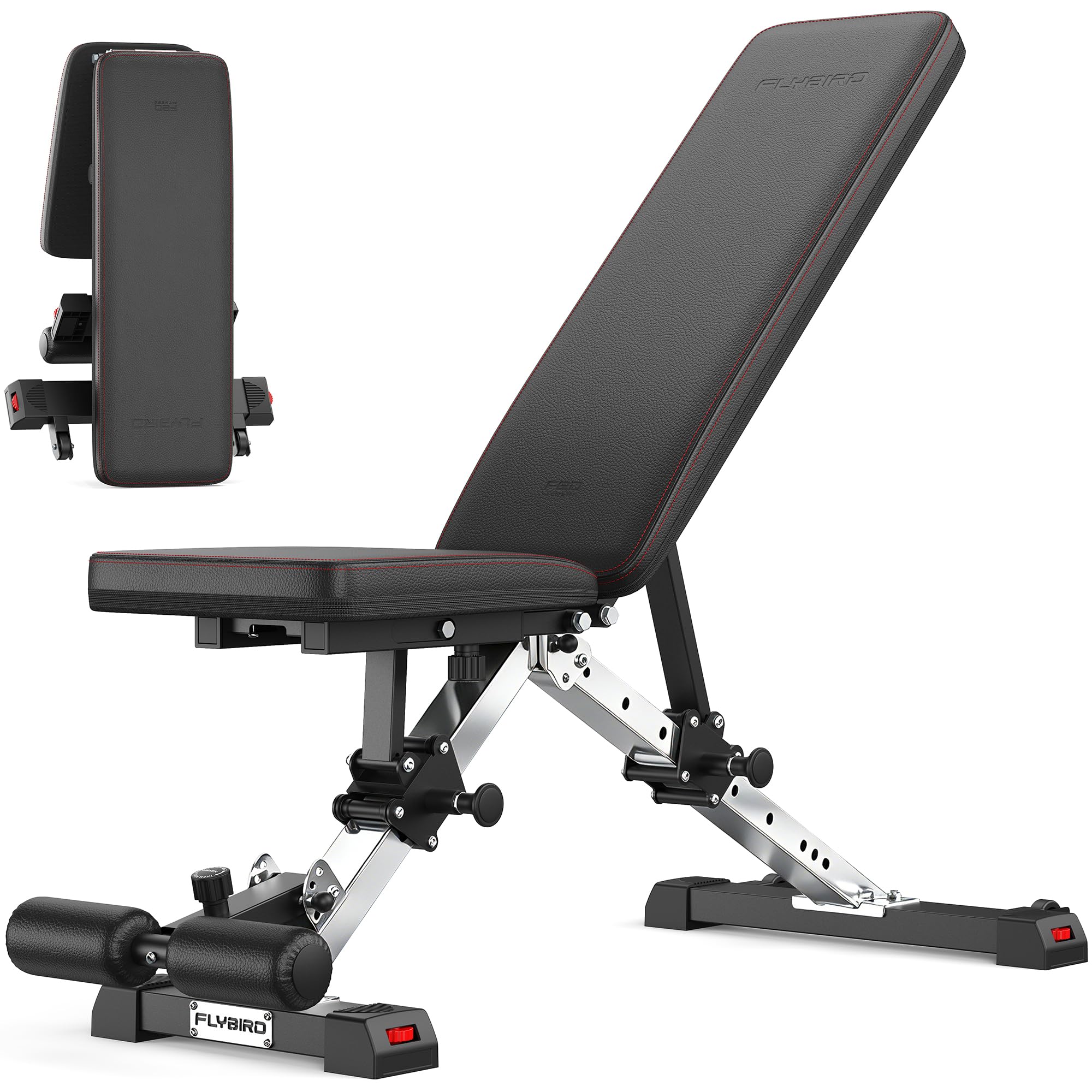
Check the setup in the order the wobble travels: floor level and mat placement first, then every locking pin and latch fully seated, then frame bolts snug. Folding frames telegraph a half-seated lock as a whole-body wobble. If the wobble survives a full re-setup on a hard, level surface, inspect the hinge for play with the unit unloaded and stop using it under load until the cause is named.
Treadmill deck latch will not catch or release cleanly
Support the deck's weight with your hands so the latch is unloaded, then work the release; latches bind under load by design. Clear dust and carpet fiber from the catch, confirm nothing stored under the raised deck is fouling it, and never leave a deck raised on a latch you had to force. That last rule is the safety line of the folding treadmill category.
Belt drifts or the bike feels different after every move
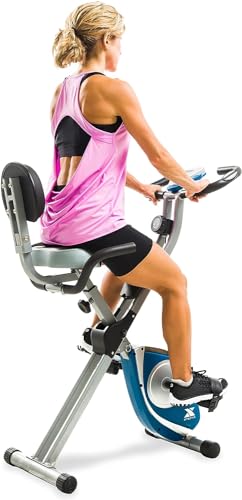
Moving is a mechanical event. For walking pads and treadmills, re-center the belt with the manual's quarter-turn method after any relocation across thresholds or stairs. For folding bikes, re-check the stabilizer feet and the fold pivot bolt after moves. Build a two-minute post-move check into the routine and the drift stops being a recurring surprise.
The folded unit no longer fits its slot
Something changed state: a pad left attached, a post left raised, a rail not fully folded, or a slot that quietly filled with other storage. Re-fold strictly by the manual's sequence, confirm the folded dimensions against the listing, and audit the slot. Nine times in ten the product is innocent and the slot has been colonized.
The storage routine itself has broken down
Diagnose the friction honestly: which step do you dread? Move the slot closer, clear its path, add the missing wheel or handle wrap, or demote the worst-folding piece to a permanent mat-corner home and give its slot to a piece that folds better. A routine fixed by rearranging beats a routine powered by guilt, every week of the year.
Still stuck? Compare the current top picks
Full ranked list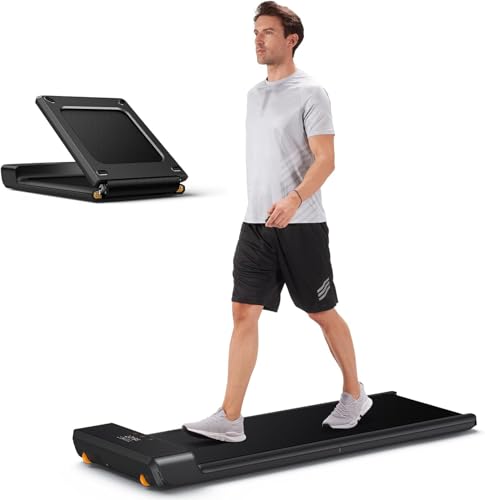
FAQ
Folding and Storable Equipment questions, answered straight
How often should folding mechanisms be checked?
A quick pin, latch, and bolt pass monthly, and a hinge clean at the same visit. The checks take minutes and catch the entire failure family of this category while it is still a sound or a stiffness rather than a repair.
Is some flex in a folding frame normal?
A small amount under load is the class's nature, and it should feel identical week to week. Flex that grows, localizes at one joint, or arrives with a new sound is not the class's nature; that is wear announcing itself, and it gets inspected, not trained through.
Can I store folding equipment in a garage or on a balcony?
Follow the manual's storage environment limits: electronics, belts, and hydraulics dislike damp and temperature extremes, and warranties often say so. A dry indoor slot is the default this hub assumes; if outdoor storage is unavoidable, a cover and a dry floor are the minimum, and folding joints need more frequent cleaning there.