Fix it
Freestanding Punching Bag Surface Care: Scratches, Cracks, and Keeping the Cover Alive
How to care for a freestanding punching bag cover: vinyl and PU synthetic leather cleaning, scratch prevention, seam care, sun and heat damage, and when surface wear means retirement, tied to the bags in this guide.
The cover is the wearing part of a freestanding bag. The base holds the weight and the foam takes the impact, but the cover is what your gloves touch, what the sun fades, and what splits first when care lapses. The bags in this guide wear two covers: vinyl over high-density foam on the Century Wavemaster line, and PU synthetic leather over EPE foam on the Dripex bags, with the Everlast PowerCore in a synthetic Nevatear style cover of its own. Neither cover is scratch-proof, and neither wants the same treatment as real leather. The fixes below are cover care first and bag care second: the base, fill, lean, and noise problems have their own page in the freestanding punching bag troubleshooting guide, and this page starts where that one stops, at the surface.
Scratches from bare knuckles and unwrapped hands
Skin and nails score vinyl and PU faster than any glove ever will, and a cover scratched in the first month stays scratched. The most scratch resistant setup is not a tougher cover, it is a cover plus gloves every round: wraps under bag gloves, every session, no exceptions for light rounds. The Century BOB XL shows why, because its vinyl plastisol torso marks visibly, and its own review asks directly whether the torso material marks or tears. The Dripex Freestanding 70 and the Dripex Foam Bumper wear PU synthetic leather, which resists scuffs a little better than vinyl but still scratches under bare knuckles. No cover in this guide survives bare hands, and the search query behind this page, best scratch resistant punching bag, has the same answer: the resistance comes from the gloves, not the bag. For the first-bag version of the same rule, see the beginner shortlist.
Scuffs from shin contact and low kicks
Low kicks and teeps land on the lower cover with the shin, not the glove, and bone on vinyl scuffs faster than any punch does. Wear shin guards for kick rounds, vary the kick height across sessions so the same patch never takes every kick, and wipe the lower cover after kick work, because floor grit transfers on the shin and does the scratching. The Century Wavemaster 2XL Pro is the taller pro bag in this guide, and its vinyl cover is no more scuff-proof than the Original's, so the habit matters more than the model. The best freestanding bags for kickboxing guide ranks the kick-ready bags on their low zone as well as their cover, and every one of them still wants shin guards on the rounds that hit low.
Cracks from cold garages and hot sun
Vinyl stiffens in the cold and softens in heat, and a cover that trains in a freezing garage in January and bakes in a sunny window in July will crack at the creases where it flexes most. Keep the bag indoors, out of direct sun, and out of unheated spaces in winter. The Century Wavemaster Original and the Wavemaster 2XL Pro both wear vinyl covers over high-density foam, and both age best in a stable room temperature. The Century Versys VS.1 is the same vinyl over foam on a tripod base, with no fill to worry about, so its cover is the whole maintenance job. A cover that feels stiff and papery in the cold is telling you to move the bag, not to hit it softer.
Cleaning with the wrong products
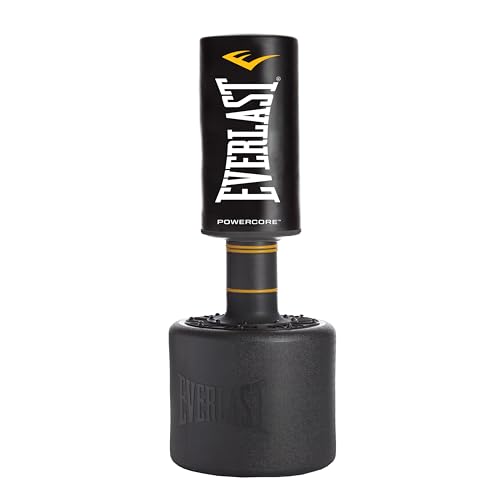
Solvents, bleach, and harsh all-purpose cleaners strip the surface of vinyl and PU, and the damage shows up weeks later as dull patches and fine cracks rather than at once. Clean with mild soap and water on a soft cloth, wipe the sweat off after every session, and dry the cover fully before the next round. The Everlast PowerCore synthetic cover and the Everlast Cardio Strike synthetic cover both take the same routine, and neither wants anything stronger. A cover cleaned gently after every session outlasts a cover cleaned harshly once a month, because sweat left to dry on vinyl is a slow solvent of its own.
Seam splits starting in the strike zone
Seams take the load of every strike, and a split starts as a thread or two in the strike zone before it becomes a tear the foam shows through. Inspect the seams monthly, running a finger along the strike zone and the base of the bag where the cover meets the stem. A small split patched early with a vinyl repair patch slows further tearing, but a split seam is the end of the cover's honest life, and the troubleshooting guide's answer to whether a torn cover can be repaired says the same: a foam core that has broken down in the strike zone is not meaningfully repairable. The Dripex Foam Bumper adds a foam collar at the stem, which protects the seam there, but the strike zone seams still need the monthly check. Rotate the bag weekly so the same seam never takes every round.
Fading and chalky patches from sun
Sun fades vinyl and PU alike, and the chalky patches that follow are the surface breaking down, not dirt to be washed off. The fix is placement: keep the bag out of direct window sun and out of the garden, and rotate it so one side never takes all the light. A bag that lives by a south facing window will fade on that side within a season, and no cleaner restores it. The Century Wavemaster XXL Pro, the largest bag in this guide at about 270 lb filled, is the one most often parked in a garage doorway for the light, and it is the one that pays for it first. Move the bag, not the workout.
Dents and flat spots in the foam under the cover
Repeated strikes on the same spot compress the foam underneath, and the cover follows it into a flat patch that changes how the bag feels and where it splits. Vary the strike height across rounds, rotate the bag 180 degrees weekly so the wear spreads, and give the foam a rest day between hard sessions. The Century Wavemaster 2XL Pro is built for this, with its pro line vinyl over high-density foam, but even pro foam compresses under the same combination every day. The Everlast Cardio Strike is the exception to watch: its strike zone is an inflatable and foam core, so a soft spot there means checking the air chamber first, as its own review explains. A flat spot that does not recover after a week of rotation is foam that has broken down, and it is a retirement signal.
Odour building up under the cover
Sweat soaks into the cover and the foam beneath it, and a bag that is never wiped down starts to smell of the gym within weeks. Wipe the cover after every session with a damp cloth, let it air dry fully before the next round, and never throw a cover over a damp bag for storage. The Champs MMA Cobra Reflex Bag is the easiest in this guide to keep fresh, because its synthetic leather ball wipes clean in seconds and its suction base has no fill to go stale. For the big vinyl bags, the wipe down is the whole routine, and a bag that smells despite daily wiping has foam that dried damp repeatedly, which means changing the storage spot rather than the cleaner.
Still stuck? Compare the current top picks
Full ranked list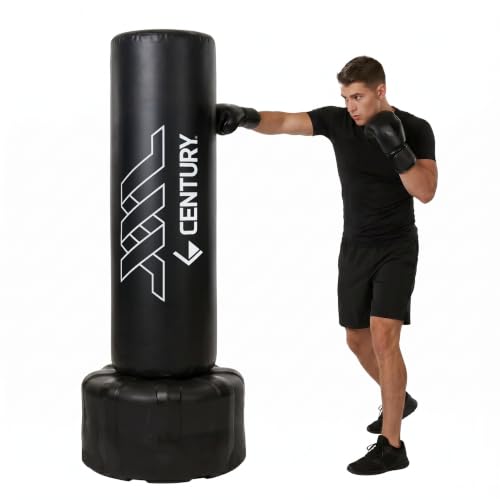

FAQ
Freestanding Punching Bags questions, answered straight
What actually makes a punching bag scratch resistant?
The gloves, not the bag. Vinyl and PU synthetic leather both scratch under bare knuckles, and the toughest cover in this guide, the Dripex PU synthetic leather, still marks when hit without wraps. Buy the cover you like, then wear wraps and bag gloves every round, and the cover will look new for years. That is the whole answer to the scratch resistance question, and it is cheaper than any premium cover.
Can I use leather conditioner on my bag?
No. The covers in this guide are vinyl or PU synthetic leather, not leather, and conditioner made for real leather sits on top of them, attracts grit, and does nothing for the material underneath. Mild soap and water on a soft cloth is the routine, and it is the only product the cover needs. If a product promises to restore vinyl, read it as a cleaner with a better name.
How often should I clean the cover?
Wipe it after every session and give it a proper clean weekly, with the same mild soap routine. A bag used daily without wiping builds a sweat film that dulls the cover and feeds the smell, while a bag wiped after every round stays clean with almost no effort. The beginner shortlist covers the gloves and wraps that keep the cover clean in the first place.
When is surface damage a retirement signal?
When a seam has split through to the foam, when the foam in the strike zone has broken down and will not recover, or when cracks run across the cover rather than sitting in one patch. Small surface cuts can be patched, as the troubleshooting guide explains, but a cover torn through to foam is the end of that bag's honest life. Retire it before a split seam becomes a foam spill mid-round.
Can I train a freestanding bag outdoors?
Not as a permanent home. Sun fades and cracks vinyl and PU, rain soaks the foam through any split, and temperature swings age the cover faster than years of indoor use. The Century Wavemaster XXL review asks the same question and gives the same answer: bring it inside. If it must live outside for a summer, keep it covered, out of direct sun, and expect a shorter cover life in exchange.