In-depth review
Gold BJJ Home Jiu Jitsu Mats Review (2027): Real Thickness in Tile Form
Full research review of the Gold BJJ home jiu jitsu puzzle mats: 1.5 inch landing feel, seam management, home dojo planning, and who should roll out instead.
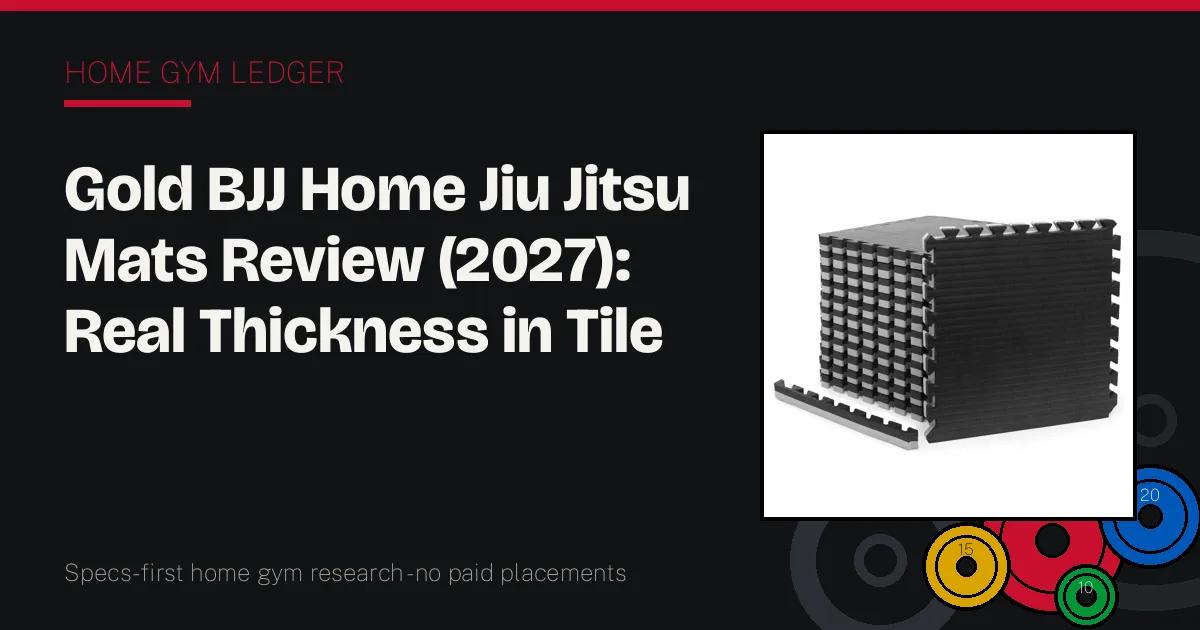
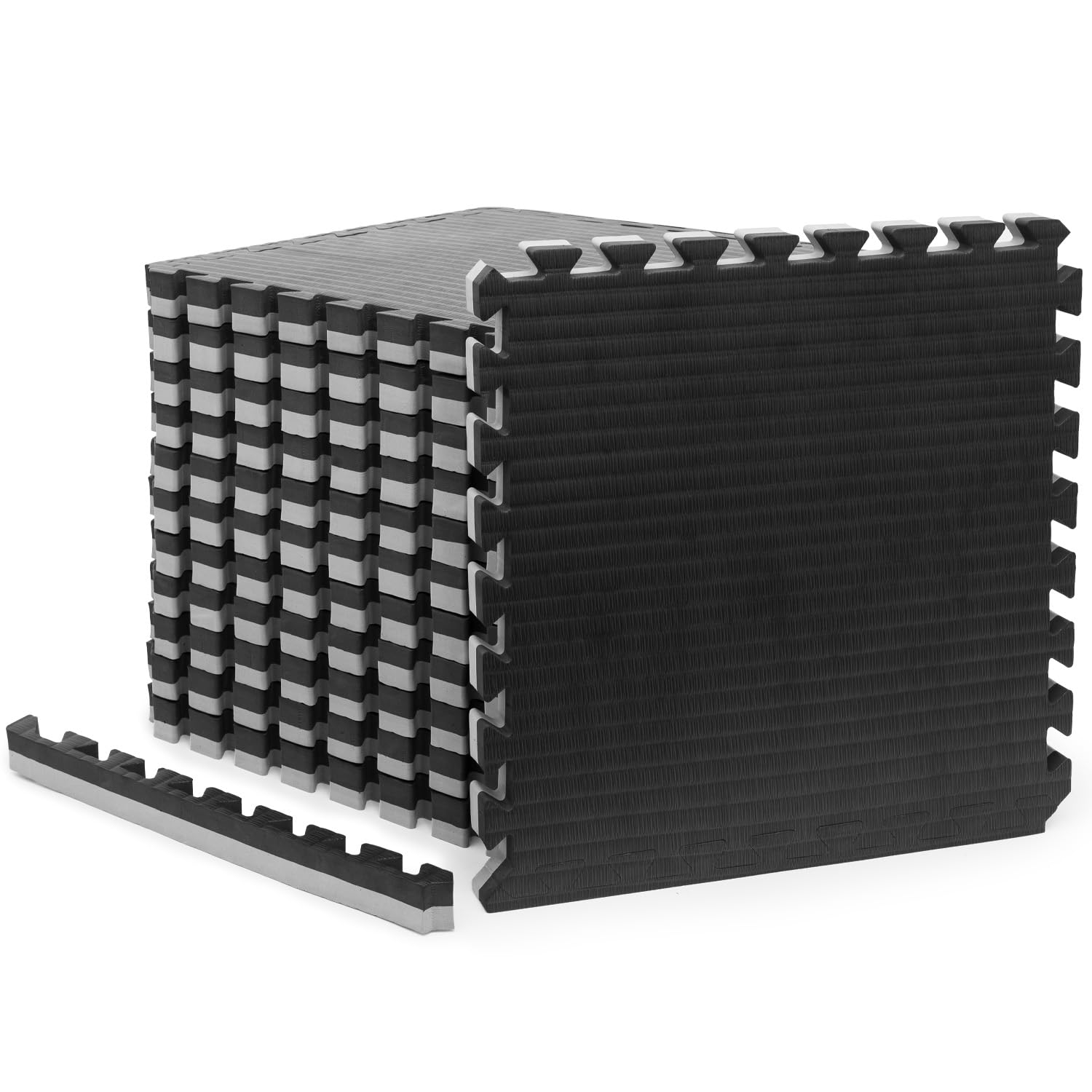
Gold BJJ Home Jiu Jitsu Mats (1.5 in Puzzle)
Full 1.5 inch grappling thickness in interlocking puzzle tiles, from a jiu jitsu specialist brand.
- 1.5 in grappling foam (manufacturer listing)
- Thickness
- Martial arts training surface
- Surface / texture
- Interlocking puzzle tile packs; coverage per pack per listing
- Coverage
Our verdict
The Gold BJJ home mats exist to answer one objection: that tiles are for gyms and roll outs are for grapplers. At a true 1.5 inch grappling specification from a brand that makes its living on jiu jitsu, they protect falls the way home training actually needs, while keeping the tile virtues of permanent fit and single tile replacement. The seams are real and need managing, and the per square foot cost is honest premium money. For a permanent home dojo where throws happen, it is the most defensible tile floor in this guide.
What we like
- Full 1.5 inch grappling thickness in a tile, the combination budget tiles do not offer
- Made by a jiu jitsu specialist brand for home dojo builds, not a generic foam line
- Tiles can be replaced individually if one is damaged, and the floor can grow pack by pack
What to watch out for
- Tile seams exist and hard lateral work can open them without proper edging
- Cost per square foot approaches roll out territory
- Premium tier for a home floor; measure the room before pricing the build
Who it is for
Home grapplers with a permanent room whose training includes stand-up and throws, not only ground drilling.
Thickness is the whole argument
Most puzzle tiles stop at an inch and call themselves martial arts mats. These are 1.5 inches of high density EVA, the class this hub treats as the floor for takedown training, and the landing feel is the difference owners describe first. Breakfalls land composed instead of bottoming out, which changes how much stand-up a home session can honestly include.
A BJJ brand's home floor
Gold BJJ sells to jiu jitsu players rather than general fitness, and the product reflects it: the mats are specced and sold as a home dojo surface, with pack sizing meant to grow a floor over time. That focus does not remove tile physics. Seams need wall-to-wall fitting or tape discipline, and edges need finishing to look like a room rather than a project.
Planning the build
Measure the room, sketch the tile layout including the cuts, and order a spare tile or two with the floor: replacements bought later sit slightly higher and grippier until they break in. Rotating high wear tiles from the throwing zone to the corners extends the floor's even years, the quiet maintenance habit academy owners swear by.
Key specifications
- Thickness
- 1.5 in grappling foam (manufacturer listing)
- Surface / texture
- Martial arts training surface
- Coverage
- Interlocking puzzle tile packs; coverage per pack per listing
- Density / firmness
- High density EVA grappling foam, firm landing feel
- Format
- Interlocking puzzle tile with edge finishing
What owners report
Commonly praised
- Landing feel on throws is the standout praise
- Tiles stay dense and do not pack down quickly
- Home dojo builds come together cleanly with the interlock
Common complaints
- Seam management on large floors is ongoing
- Border pieces and cuts add planning time
- Initial foam smell needs airing in closed rooms
Recurring themes from owner reviews on retailers and forums, summarised by our editors. Updated November 2026.
Sources: Gold BJJ home jiu jitsu mats product documentation, Amazon listing specifications
Also consider
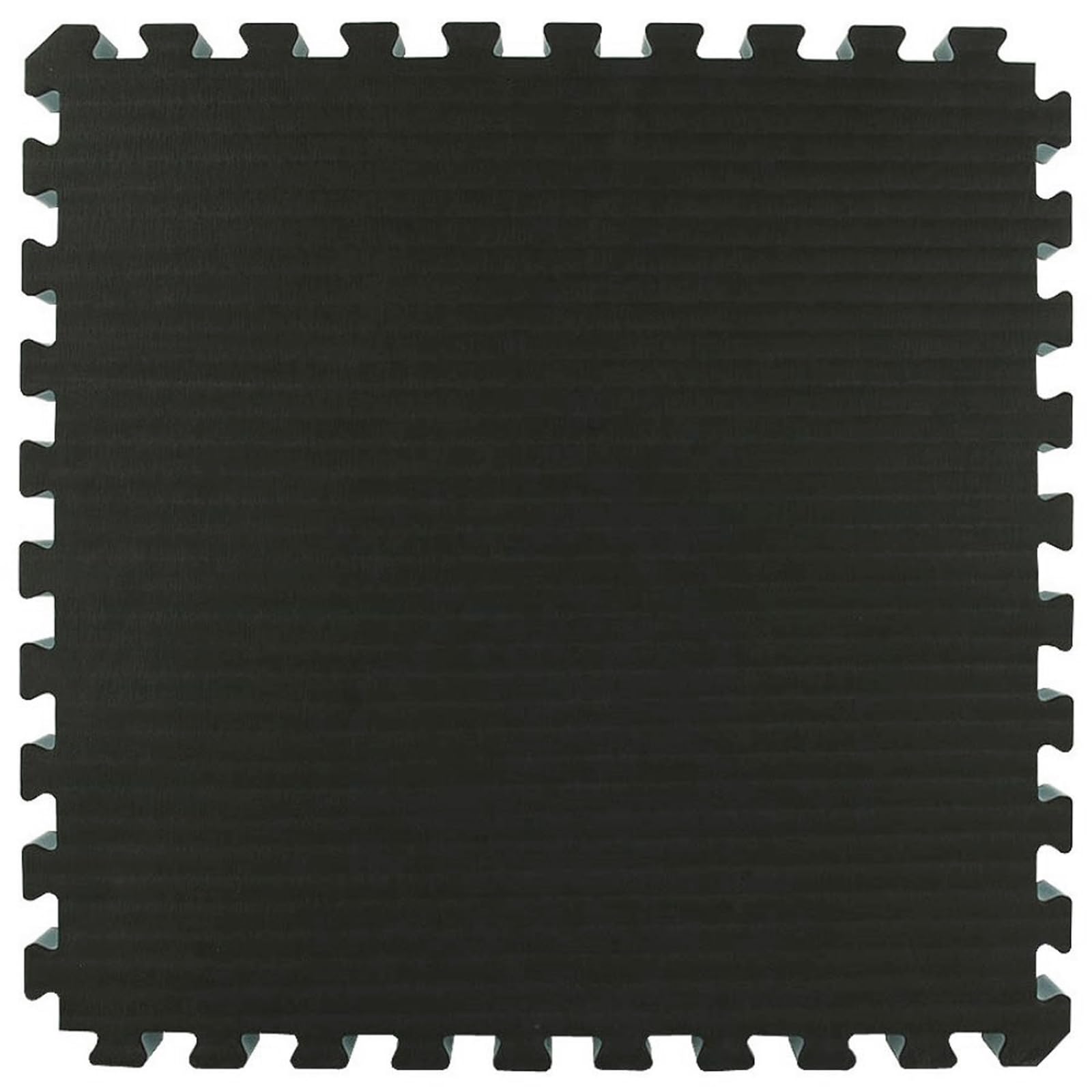 Greatmats
 Home MMA BJJ Puzzle Tile Mats (2x2 ft x 1.5 in)
Full 1.5 inch grappling tiles in a 2x2 ft format that plans cleanly in American rooms.
- Thickness: 1.5 in grappling foam (manufacturer listing)
- Surface / texture: Martial arts training surface
Sources: Greatmats home MMA BJJ puzzle tile product documentation, Amazon listing specifications
Check price on Amazonor add to your Amazon cartChoose the Greatmats tiles if the 2x2 ft tile size and a broad flooring retailer's support suit your room plan better.
 KaoShan
 Wrestling Mat 5x10 ft (Flexi Roll)
A 5x10 roll out training mat with a chevron-cut flexible back, at a fraction of academy brand money.
- Thickness: Home grappling foam class (see listing for current figure)
- Surface / texture: Smooth training vinyl surface
Sources: KaoShan wrestling mat product documentation, Amazon listing specifications
Check price on Amazonor add to your Amazon cartChoose the KaoShan roll out if the room is shared and the floor must come up between training days. Read our KaoShan Wrestling Mat 5x10 ft (Flexi Roll) review
Research-based assessment: manufacturer specifications and documentation, cross-checked against retailer listings and recurring themes in published owner feedback. We do not claim hands-on testing we have not performed.
FAQ
Grappling and Gym Mats questions, answered straight
Is this mat overkill for BJJ only training?
For pure ground work, its landing capacity is more than you need, and a roll out gives a better rolling surface for the money. The Gold BJJ tiles earn their price when stand-up and throws join the training, which is a training question, not a mat question.
How do the seams hold up in hard drilling?
Fit wall to wall, the room locks the floor and seams stay quiet. Island layouts in open rooms creep under lateral work; mat tape across working seams is the standard fix, covered in this hub's troubleshooting guide.