Buying guide
Grappling Mat Buying Guide (2027): Thickness, Density, Surfaces, and Coverage Math
How to buy grappling mats: match thickness and density to falls, choose tatami or smooth surfaces, convert coverage to square feet.

Start with what lands on the mat
Write down the heaviest, highest thing that will hit this floor: a drilling partner's knee, a controlled takedown, or a full throw. Ground work is served by firm 1 to 1.25 inch mats. Takedown training needs 1.5 inch grappling density. Anything beyond drilling throws needs a crash pad plan regardless of mat. Buyers who skip this step buy twice, and the second purchase is always the mat they priced first and talked themselves out of.
Density is the silent specification
Thickness is printed in headlines; density hides in descriptions, and it decides whether foam protects or collapses. Grappling foam is firm enough that standing feels almost hard, and that firmness is what stops a falling hip progressively. If a listing gives thickness without any density or firmness language, treat it as general gym foam and assign it drilling duties only.
Top picks from our research
Full ranked list
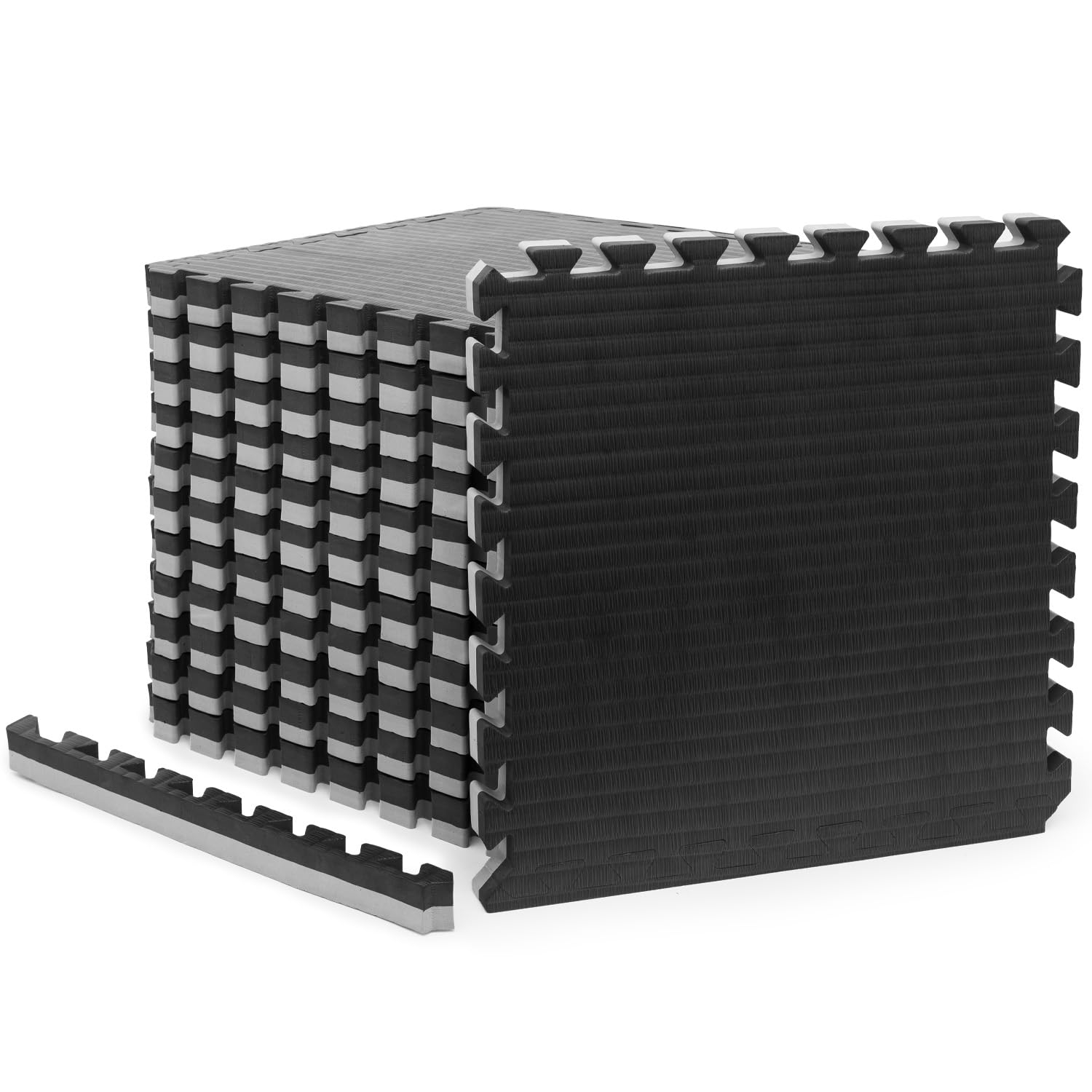
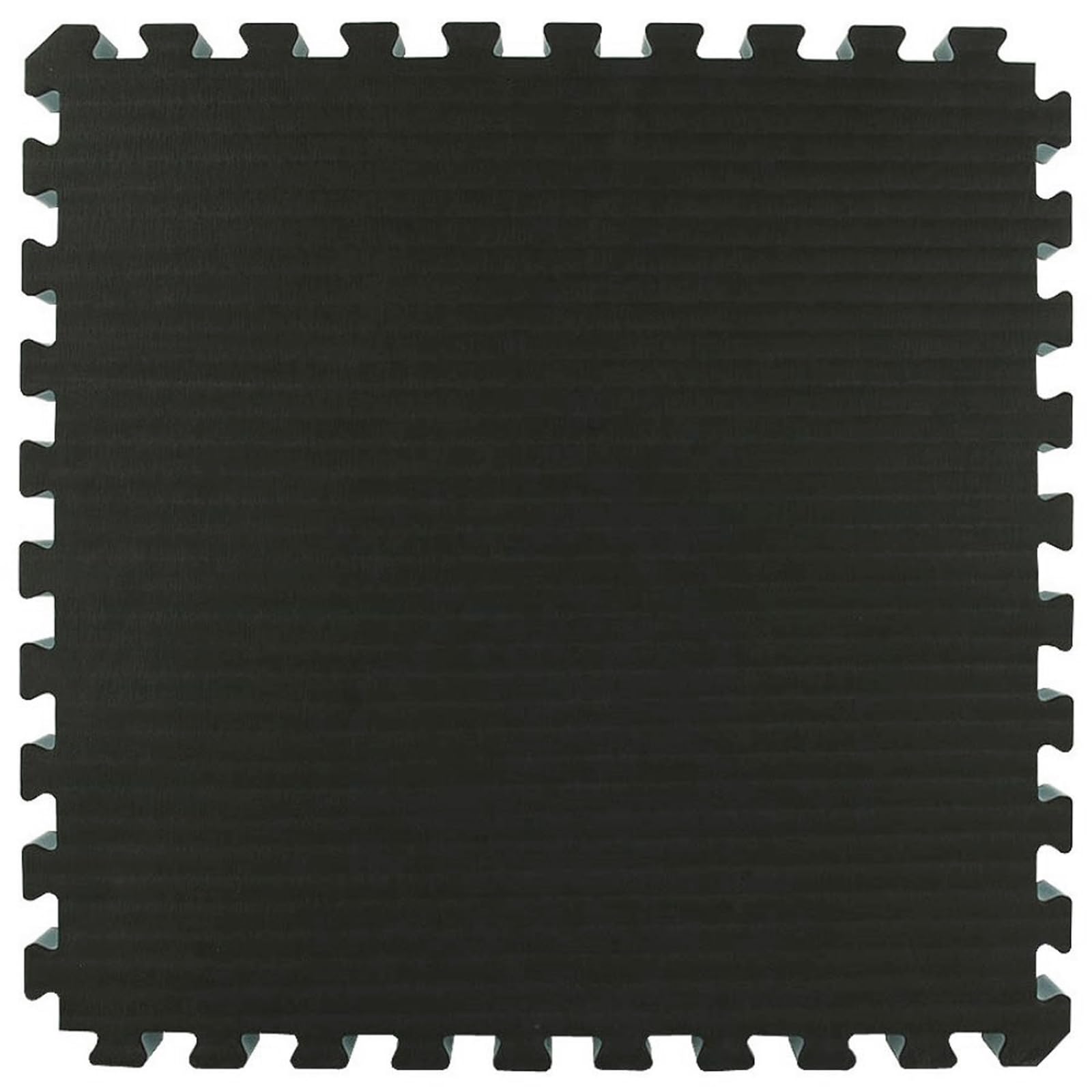
Choose the surface for your game
Tatami texture is the academy standard: grip for feet, purchase for passing, and a measure of skin abrasion as the cost. Smooth vinyl reverses the trade and is the drilling comfort choice. Interlocking EVA sits between, with generic texture that serves home drilling well and satisfies nobody's ideal. There is no wrong answer here, only mismatches between surface and training style.
Do the coverage math in square feet
Convert everything: a 5 x 10 roll out is 50 square feet, a 2 x 2 tile is 4, a meter tile is about 10.8, a six pack of 24 inch tiles is 24. Then add the cut waste for your room shape, borders, and a spare tile or two. Listings that sell by pack count without area are asking you to skip this step, and rooms planned by area alone always come up short at the edges.
Plan seams, edges, and the subfloor
Tile floors belong wall to wall or taped and edged; loose islands creep. Roll outs belong on clean hard subfloors, relaxed flat before training. On concrete, sweep grit religiously, because grit under any mat is sandpaper with bodyweight behind it. Decide the cleaning routine before the first session too: a mat that is annoying to clean becomes a mat that is not cleaned, and hygiene is a real part of grappling equipment.
FAQ
Grappling and Gym Mats questions, answered straight
What size home grappling area should I build first?
Start with 50 to 100 square feet done properly rather than 200 done thin. A true grappling surface at drilling size beats a room-sized floor of exercise foam for every training purpose except walking around.
Are puzzle tiles hygienic enough for grappling?
Yes with routine: seams and texture hold more sweat and skin than a smooth roll out, so tile floors want more frequent disinfecting and full drying. Owners who clean on schedule report no issues; the risk lives in skipped cleanings, not in the format.
Can grappling mats go in a rental without damage?
Roll outs and loose tile floors are rental friendly by design: nothing is glued or screwed. Protect finished floors by keeping grit out from underneath, and photograph the floor before and after your tenancy setup for your own records.