Fix it
Under $2000 Gym Problems and Fixes: Cage Wobble, Dial Checks, Cable Glide, and the Half Build Audit
Fix the common problems of a $2000 home gym: a cage that rocks, bumper stacks outgrowing sleeves, dial dumbbells mis-seating, cable carriage drag.

A finished build at this level fails in finished build ways: hardware settles, carriages collect dust, sleeves fill up, and programs outgrow the column that was chosen in a different season. None of these mean the money was wasted. Work this list in the order given and most $2000 gyms return to full training with a wrench, a brush, and an honest audit.
The cage rocks or walks on hard sets
Level the station first: tiles fully seated, a board or pads under the cage feet to spread load, then every frame bolt snugged in a cross pattern after the first month of settling. A cage that still walks under rack pulls is telling you the floor interface, not the frame, is the weak layer, and stall mats under the station are the correct next step.
Bumper plates no longer fit the bar for top deadlifts
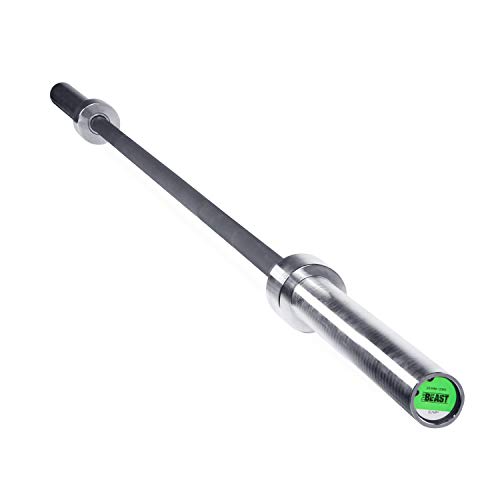
That is sleeve arithmetic, not a defect: wide bumpers trade floor kindness for sleeve space. Add one pair of thinner iron plates for the top sets inside the bumper stack, which most garage lifters do at exactly this stage, and keep bumpers against the floor for the drop sets they were bought for.
A dial dumbbell will not change weight or feels unsettled
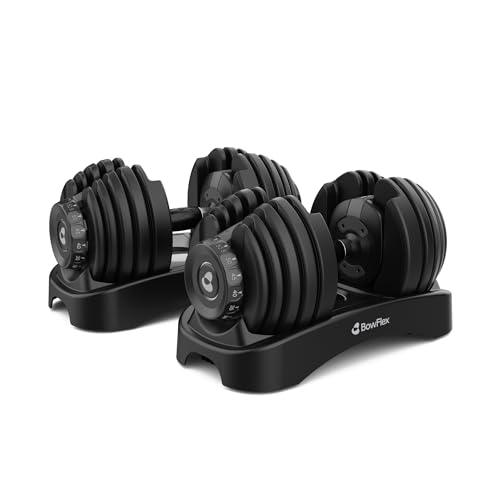
Return it fully to its tray, press it squarely home, and check that no plate sits a slot off before touching the dial again. Grit in the tray pockets is the usual cause in garage gyms; brush the tray dry, never force the dial, and treat a selector that stays unsettled as a stop and inspect fault, not a training partner.
The lat carriage drags or the cable feels gritty
Wipe the guide rods clean and dry, route check the cable against the manual's diagram, and inspect for a frayed section or a pulley that no longer spins free. Glide returns with clean rods in most reports. A frayed cable is a replacement part, ordered by the attachment's model name, and the station trains pull-ups and rows while it ships.
The rower monitor fades or the stroke feels uneven
Batteries first on the console, as unglamorous as it sounds. For the stroke, clean the rail and seat rollers of the dust magnetic rowers collect in garages, check the strap for fray at the handle, and confirm the foot stretchers are set evenly. Uneven feel that survives cleaning points to the resistance unit, which is a maker conversation while the warranty record is fresh.
Progress stalled and the gym feels incomplete
Audit before spending. List the last four weeks of sessions against the build's patterns: a missing pattern, a pinned load, or an unused station will show itself. Pinned barbell loads want change plates, a pinned dumbbell pattern wants the ceiling conversation from the comparison in this hub, and an unused station wants selling into the reserve. Stalls at this level are information about the column, not indictments of it.
Still stuck? Compare the current top picks
Full ranked list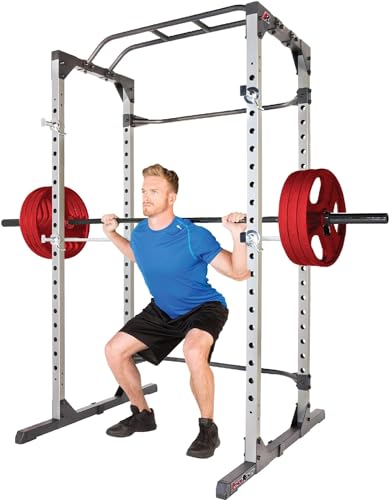
FAQ
Home Gym Under $2000 questions, answered straight
How often should a $2000 build get a hardware pass?
Seasonally: cage and bench bolts, bar sleeve bolts, cable and strap inspection, tile edges, and a dry clean of trays, rails, and guide rods. Twenty minutes four times a year is the maintenance budget of a system built to run a decade.
A shared piece serves one build and annoys the other. Split it?
If both columns are actively trained, yes: shared picks were ranked for two build lives in one household gym, not for two competing programs. Splitting a bench or a floor zone is a maturity expense, and it is cheaper than the sessions the conflict costs.
When is a problem an upgrade signal instead of a fix?
When the same limit survives two honest fixes: sleeve space after iron pairs join, dumbbell ceiling after tempo and volume progressions, bench capacity as loads approach its listed sum. Fixes restore a build; signals retire one, and this hub's reviews name the signals per product so the call is easier.