Fix it
Balance Board Problems and Fixes: Slipping Decks, Runaway Rollers, Wobble Wear, and Floor Marks
Fix common balance board problems: a deck that slips underfoot, a roller that shoots out, creaks and cracks, dome leaks, and boards marking the floor.
Balance equipment has few parts, so most problems are surface, setup, or wear. Inspect a board before every session once it has some months on it, practice new fixes at low difficulty near support, and retire any deck with a crack through its structure rather than repairing it.
Feet slip on the deck
Clean the surface: dust and floor grit are the usual cause. Switch from socks to bare feet or grippy footwear, and check whether the grip top itself has worn smooth in the stance area. A worn-out grip surface on a training board is a replacement signal, not something to coat with improvised substances.
Roller shoots out from under the board
This is a setup and skill issue, most common when learning on a fast surface. Move to carpet or a mat to slow the roller, re-center your weight before starting, and practice beside support until exits stay controlled. If the roller is chipped or out of round, replace it; a damaged roller is unpredictable.
Rocker or wobble board creaks or feels loose
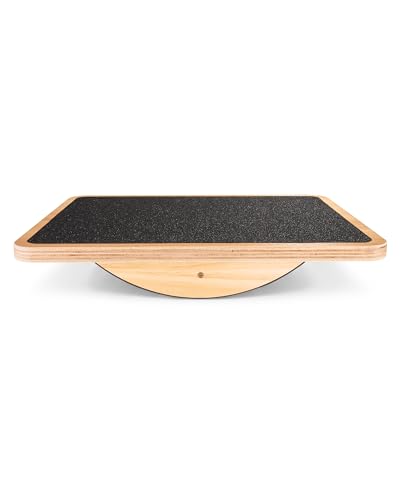
Inspect the base attachment points and the deck underside for hairline cracks, and tighten any fasteners the maker provides for. A creak that grows or a flex that was not there before means the board comes out of service until the maker advises, because decks fail under load, not on shelves.
Inflatable dome or disc loses air
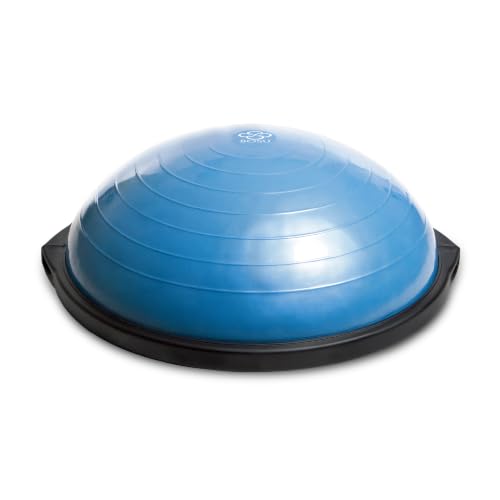
Check the plug or valve seating first, then inflate and listen and feel for leaks around seams. Small punctures follow the maker's patch guidance if provided. A dome that cannot hold a session's air after a valve check has reached replacement, and sharp storage neighbors are usually why.
Board marks or damages the floor
Move the board onto a mat or low carpet immediately, and check the base for trapped grit, which is what actually scratches. Felt pads suit rocker boards on hard floors in desk setups. Continued use on a delicate floor without a barrier will win against the floor every time.
Progress has stalled and the board feels easy
That is the board doing its job, not failing. Add difficulty inside the format first: narrower stance, longer intervals, or new drills from the brand material. When those are exhausted, the next format up (rocker to wobble, wobble to roller) is the designed progression in this guide.
Still stuck? Compare the current top picks
Full ranked list
FAQ
Balance Boards and Trainers questions, answered straight
Can I repair a cracked wooden deck?
Do not train on a structurally cracked deck and do not glue it back into service. Decks carry full body weight dynamically. Contact the maker about replacement options instead.
How do I clean a deck or dome?
Wipe with a lightly damp cloth and dry fully. Keep water and cleaning sprays away from bearings or valves, and let grip surfaces dry completely before the next session.
When is a board simply the wrong size?
When your feet cannot take a natural stance on it even with correct technique, or when capacity headroom is gone. Technique fixes many fit complaints in week one; size problems remain identical in week ten.