Beginner focus: the first board should limit how far things can go wrong, so this guide ranks motion predictability and support-friendly formats first.
Best Balance Boards for Beginners (2027): Predictable Bases, Support-Friendly Starts
Beginner balance trainers compared on motion limits, stability aids, deck size for learning stances, and how quickly each one can be outgrown.
Our top picks at a glance
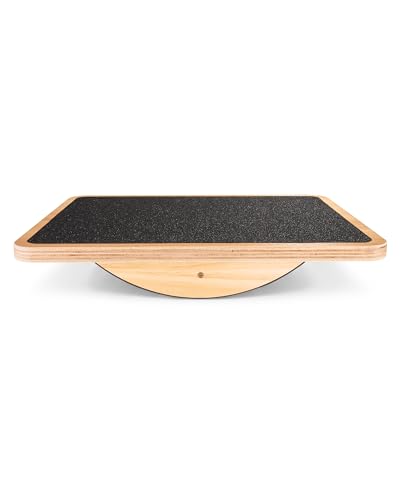
StrongTek Professional Wooden Balance Board
Standing-desk users and beginners who want a stable, predictable rocker in a quality wood deck.
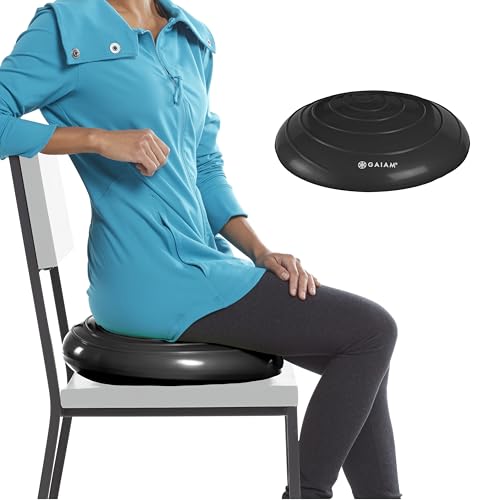
Gaiam Balance Disc Wobble Cushion
Users who want the gentlest possible instability, including chair-based use, or a first step before any board.
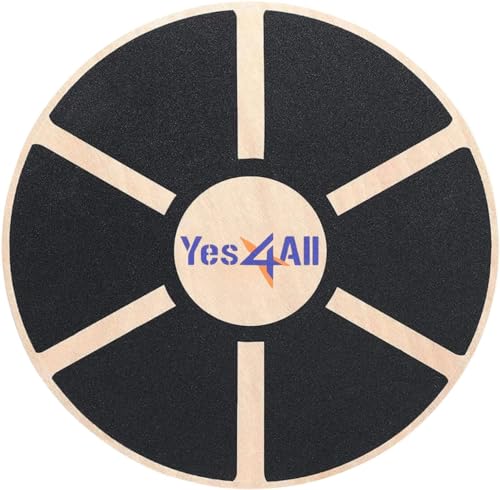
Yes4All Wobble Balance Board
First-time buyers who want to test wobble-style training or add gentle desk movement at the lowest cost.
The short answer
Most beginners should start with the StrongTek rocker. Choose the Gaiam disc for the gentlest possible start, and the BOSU if balance is one part of a broader home exercise plan.
The best balance boards and trainers, ranked
| Pick | Base type | Deck | Tilt | Capacity | Price |
|---|---|---|---|---|---|
| StrongTek Professional Wooden Balance BoardBest Beginner Board | Built-in rocker base | Hardwood deck, about 17.5 x 13.5 in maker listed class | Rocker angle in the 10 to 12 degree class, maker listed | 350 lb maker listed | Check price |
| Gaiam Balance Disc Wobble CushionGentlest Start | Inflatable wobble cushion | - | - | - | Check price |
| Yes4All Wobble Balance BoardBest Beginner Wobble | Fixed dome pivot, 360-degree wobble | Round deck, about 15 to 16.5 in by version, maker listed | Up to about 15 degrees, maker listed by version | 300 lb maker listed class | Check price |
| BOSU Balance Trainer, Home VersionBest Beginner All-Rounder | Inflatable dome on flat platform, usable both sides | - | - | 300 lb maker listed for home version | Check price |
StrongTekBest Beginner Board
StrongTek Professional Wooden Balance Board
A hardwood rocker board with anti-slip surface, the standing-desk and starter standard.
- Built-in rocker base
- Base type
- Hardwood deck, about 17.5 x 13.5 in maker listed class
- Deck
- Rocker angle in the 10 to 12 degree class, maker listed
- Tilt
Strengths
- Rocker base tips in two directions with natural end stops, so it is safe beside a desk
- Hardwood deck feels and ages like equipment rather than a plastic accessory
- Anti-slip top works with shoes, socks, or bare feet
Limitations
- Two-direction motion is mastered quickly by athletic users
- Wood deck needs the usual care around water and hard impacts
- Not the cheapest rocker in this guide
| Base type | Built-in rocker base |
|---|---|
| Deck | Hardwood deck, about 17.5 x 13.5 in maker listed class |
| Tilt | Rocker angle in the 10 to 12 degree class, maker listed |
| Capacity | 350 lb maker listed |
| Surface | Anti-slip top surface, maker listed |
What owners report
Commonly praised
- Lives under desks for years, according to long-term owners
- Build quality justifies itself over plastic rockers
- Gentle enough for all-day intermittent use
Common complaints
- Too easy, say users who wanted a trainer rather than a desk board
- Deck is compact for very wide stances
- Felt pads and finish want occasional attention on hard floors
Recurring themes from owner reviews on retailers and forums, summarised by our editors. Updated November 2026.
Sources: StrongTek professional wooden balance board documentation, Amazon listing specifications
Best for: Standing-desk users and beginners who want a stable, predictable rocker in a quality wood deck.
Skip if: You want the open-ended challenge of a roller, or a board for dynamic athletic drills.
GaiamGentlest Start
Gaiam Balance Disc Wobble Cushion
An inflatable wobble cushion that works underfoot for light balance or on a chair as an active seat.
- Inflatable wobble cushion
- Base type
- About 13 in, maker listed
- Diameter
- Inflation level sets stability
- Adjustment
Strengths
- Dual role: floor balance for beginners and active sitting on a chair
- Inflation adjusts the wobble from mild to moderate
- Cheapest and smallest item in this guide, with nothing to assemble
Limitations
- Ceiling is low: it will never challenge an able standing user for long
- Needs inflation checks and can puncture
- Small diameter limits two-foot stance work for larger feet
| Base type | Inflatable wobble cushion |
|---|---|
| Diameter | About 13 in, maker listed |
| Adjustment | Inflation level sets stability |
| Surface | Textured massage-style surface on one side, maker listed |
| Use case | Floor balance and chair sitting, maker listed |
What owners report
Commonly praised
- Perfect gentle start for hesitant users
- Chair use is the surprise hit in owner feedback
- Easy to store and lend around a household
Common complaints
- Too mild for anyone with board experience
- Air level drifts and needs topping up
- One disc is limiting; some owners buy a second
Recurring themes from owner reviews on retailers and forums, summarised by our editors. Updated November 2026.
Sources: Gaiam balance disc documentation, Amazon listing specifications
Best for: Users who want the gentlest possible instability, including chair-based use, or a first step before any board.
Skip if: You want to train standing balance seriously; a cushion is an introduction, not a board.
Yes4AllBest Beginner Wobble
Yes4All Wobble Balance Board
A budget wobble board on a dome pivot, in plastic or wood deck versions depending on the listing.
- Fixed dome pivot, 360-degree wobble
- Base type
- Round deck, about 15 to 16.5 in by version, maker listed
- Deck
- Up to about 15 degrees, maker listed by version
- Tilt
Strengths
- Lowest cost entry into true 360-degree wobble movement
- Compact disc shape stores in a drawer or under a desk
- Deck versions let buyers choose plastic value or wood feel
Limitations
- Small deck limits stance and advanced work
- Plastic versions feel like the price underfoot
- Dome pivot height and angle are fixed with no adjustment
| Base type | Fixed dome pivot, 360-degree wobble |
|---|---|
| Deck | Round deck, about 15 to 16.5 in by version, maker listed |
| Tilt | Up to about 15 degrees, maker listed by version |
| Capacity | 300 lb maker listed class |
| Surface | Anti-slip top by version, maker listed |
What owners report
Commonly praised
- Does the basic wobble job for very little money
- Handy size gets used more than big boards
- Good first board for households testing interest
Common complaints
- Too small for larger feet in some stances
- Grip surface wears on the budget versions
- Advanced users outgrow it in weeks
Recurring themes from owner reviews on retailers and forums, summarised by our editors. Updated November 2026.
Sources: Yes4All wobble balance board documentation, Amazon listing specifications
Best for: First-time buyers who want to test wobble-style training or add gentle desk movement at the lowest cost.
Skip if: You want a premium deck feel, or a board for advanced dynamic drills.
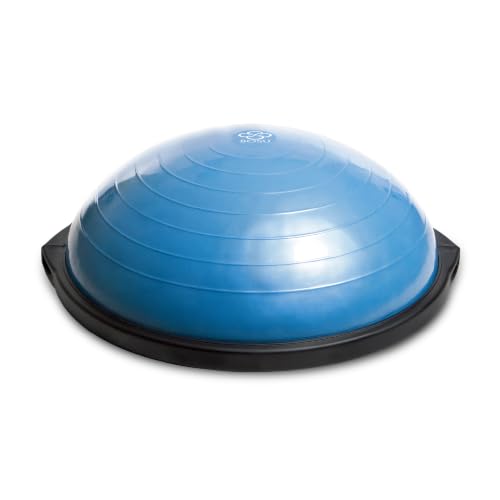 BOSU
Best Beginner All-Rounder
BOSU Balance Trainer, Home Version
The inflatable dome platform that trains from both sides and anchors a floor routine, not just standing balance.
- Inflatable dome on flat platform, usable both sides
- Base type
- About 26 in platform (65 cm class), maker listed
- Diameter
- 300 lb maker listed for home version
- Capacity
Strengths
- Two usable sides multiply the exercise list far beyond standing balance
- Inflation level adjusts difficulty and feel without new equipment
- Established exercise library and class culture around the format
Limitations
- Needs a pump, inflation checks, and storage space a flat board does not
- Dome surface can be punctured by sharp objects or pet claws
- Premium price for the home version of a gym-standard tool
| Base type | Inflatable dome on flat platform, usable both sides |
|---|---|
| Diameter | About 26 in platform (65 cm class), maker listed |
| Capacity | 300 lb maker listed for home version |
| Adjustment | Air inflation level sets firmness |
| Extras | Pump included on main listing, maker listed |
What owners report
Commonly praised
- Versatility across a whole routine is the praise that repeats
- Gentle, forgiving first step into balance work
- Holds up to years of home use when stored sensibly
Common complaints
- Keeping inflation where you like it is a chore
- Too bulky for small apartments to store inflated
- Users wanting a true board feel bought the wrong category
Recurring themes from owner reviews on retailers and forums, summarised by our editors. Updated November 2026.
Sources: BOSU home balance trainer documentation, Amazon listing specifications
Best for: Home exercisers who want one trainer for standing balance, step-style work, core routines, and floor exercises.
Skip if: You specifically want a board: the dome feel is softer, slower, and entirely different from wood on a roller or rocker.
FAQ
Balance Boards and Trainers questions, answered straight
Should beginners use support?
Yes: practice beside a wall, counter, or sturdy chair until standing feels routine, and keep that support in reach whenever you try a harder drill or a new board. It is standard practice, not a shortcut.
Bare feet, socks, or shoes to learn?
Bare feet or grippy footwear gives the clearest deck feel. Slippery socks are the one option owner feedback consistently warns against on smooth decks.
How fast will I outgrow a beginner board?
Rocker boards stay useful at desks for years even after training users master them. Pure training users may want a wobble or roller step within months, which is a good outcome, not a failed purchase.