Buying guide
Body Composition Scale Buying Guide (2027): Counting Metrics, Electrodes, and Honest Trending
How to buy a body composition scale: count the maker listed metric set, choose foot only or handle format, check connectivity and profiles.

Count the maker listed metrics yourself
Open the maker documentation and count the named outputs. Note which are measured in the reading and which are calculated in the app from that reading and your profile; both are legitimate, but they are different kinds of list length. Six honestly listed metrics that you will view weekly beat sixteen tiles you open twice. Match the list to a named tracking goal, muscle trend during a bulk, fat trend during a cut, or weight only, and buy the shortest list that covers it well.
Choose the electrode format by routine, not ambition
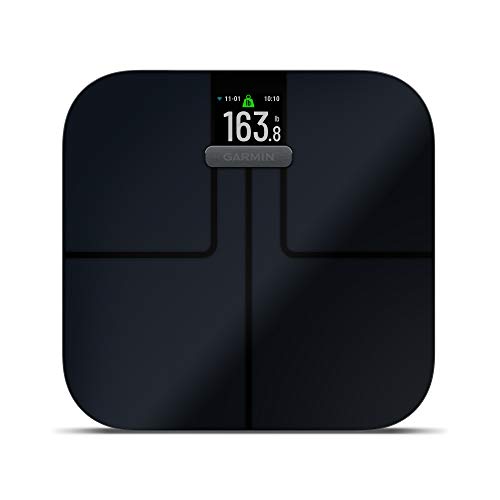
Handle models add an upper body path and unlock segmental listings on the models that offer them. They also add stance, grip, and seconds to every morning. Foot only models are frictionless and therefore consistent. The format with the better data is the one still being used in month six, so simulate your rushed weekday morning honestly before paying for electrodes you will admire unused.
Top picks from our research
Full ranked list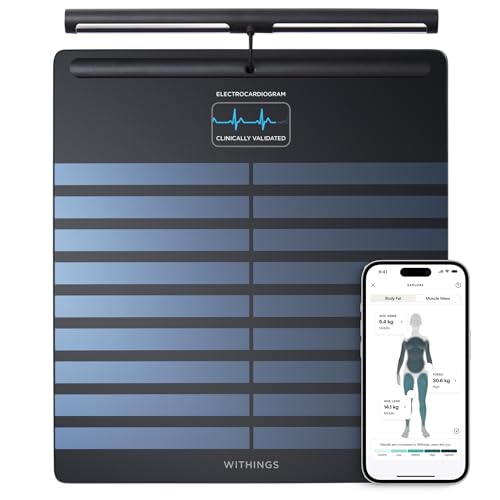
Connectivity decides your streak
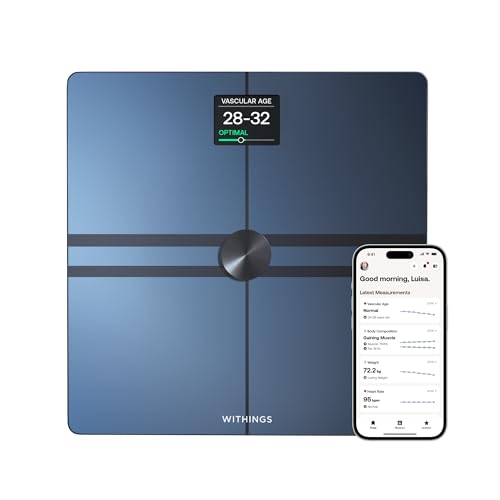
Wi-Fi scales file weigh ins alone. Bluetooth scales need your phone present and cooperative. In a household where phones charge downstairs, Wi-Fi is not a luxury spec; it is the difference between data and gaps. Also confirm the app's export options at purchase if your long term records matter, because leaving an ecosystem without your history is the quiet lock in of this category.
Profiles, capacity, and the household fine print
Check three numbers on the maker page: maximum capacity against the heaviest user, the profile count against your household, and any maker warnings about implanted devices or pregnancy for the impedance function. Confirm a weight only mode exists if anyone in the home needs it. These are pass or fail gates that no metric list can compensate for.
Set up trending like a measurement protocol
Hard flat floor, same spot, bare dry feet, after waking and the bathroom, before food and drink, same profile settings forever. Judge weekly averages and monthly direction, and log life context, hard training blocks, travel, illness, beside the graph. A scale used this way is a useful instrument. A scale used randomly is a random number generator with good industrial design, regardless of brand or price. And when the numbers misbehave beyond protocol problems, the app will not sync, or the scale keeps choosing the wrong profile, Body Composition Scale Problems and Fixes separates faults from physics.
FAQ
Body Composition Scales questions, answered straight
Is BMI from a scale useful?
BMI on these devices is calculated from your weight and profile height, not measured. It is a population statistic applied to an individual, useful as a rough filing category and little more. The composition trends are the reason to buy this category at all.
How long do smart scales last?
Hardware routinely serves for years; the platform behind it is the lifespan question. Established ecosystems with export tools protect your history if a model is discontinued. Budget scales should be bought as two to three year devices with full value expected inside that window.
Can I use rechargeable or replaceable batteries either way?
Models differ: some use replaceable cells, others rechargeable packs. Check the maker specification for your shortlist and factor a bathroom with no free outlet toward replaceable cells, and daily heavy household use toward whichever system the maker rates for longer service.