Fix it
Foam Roller Mistakes: The Habits That Waste Your Rolling Time
The foam roller mistakes that waste a session: rolling the lower back and IT band directly, rolling too fast, pressing too hard, and choosing the wrong density for your body.
A foam roller only works when the person on it does. The roller itself is a simple tool, and the existing foam roller problems and fixes guide covers what goes wrong with the foam. This page covers what goes wrong with the user: the placements, speeds, pressures, and density choices that turn ten useful minutes into ten wasted ones, or into a session that hurts for the wrong reasons. None of these mistakes needs a new purchase to fix. Most of them need a slower pace, a lighter touch, and a roller matched to the body using it.
Rolling directly on the lower back
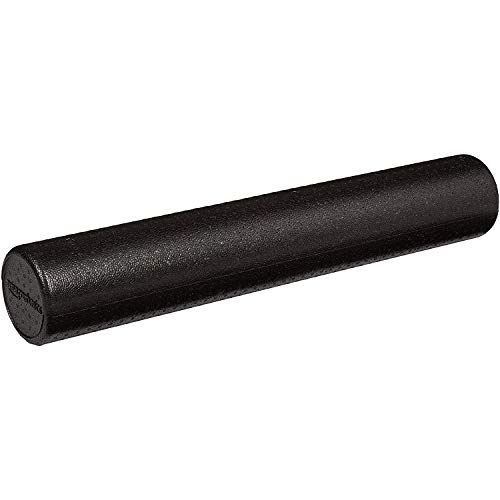
The lower back has no thick muscle layer protecting the spine the way the upper back does, so direct pressure there compresses structures that do not want compressing. Roll the muscles either side of the spine in the upper and mid back instead, and let a long roller do the work: the OPTP PRO-Roller Standard Density (36 in) at standard density and the Amazon Basics High-Density Foam Roller (36 in) both span the shoulder blades so you can lie across the roller and work the upper back without the roller tipping or digging at one edge. If your lower back is the sore spot, rolling the glutes and hips is usually the more useful job, and sharp or persistent pain is a reason to stop and seek professional advice rather than to press harder.
Rolling the IT band as if it were a muscle
The band down the outside of the thigh is a thick strip of connective tissue, not a muscle belly, and pressing straight into it with a firm patterned roller mostly produces pain without the release people are chasing. The muscles that feed into it, the glutes and the front and side of the thigh, are the places to work. On a firm roller like the TriggerPoint GRID Foam Roller (13 in), whose patterned EVA surface concentrates pressure, the IT band is exactly where that intensity is least welcome. Shift the roller a handspan toward the front of the thigh or onto the glute, slow down, and let body weight do the pressing. For a density that forgives this kind of placement error, the beginner guide to the best foam rollers for beginners starts at medium and smooth for a reason.
Rolling too fast to feel anything
Rolling at the speed of a warm-up jog turns the roller into a piece of floor furniture: you pass over every spot before your body has time to respond to it. Slow the pass to a few seconds per section, pause on the tender spots, and breathe through them instead of racing past. A short roller makes this easier to learn, because the TriggerPoint GRID (13 in) and the 321 STRONG Foam Roller (Medium Density) in its 18 in length both force you to work one area at a time rather than sweeping the whole leg in a single glide. Speed is the most common beginner error in this category, and it costs nothing to fix.
Pressing too hard and bracing through the roll
More pressure is not more progress. When you brace your shoulders, lock your elbows, and drive your full weight onto the roller, the muscles you are trying to relax tense up against the pressure, which defeats the session. Ease off until you can keep breathing normally, and use your hands and the opposite leg to unload some of your weight. This mistake is worst on the firmest rollers: the TriggerPoint GRID X is the extra-firm density ceiling of this guide, and its own review warns that it is harsh over bone at any experience level. If you own it and every session feels like a fight, the answer is usually a softer second roller, not more determination. The GRID X review sets out who that roller is actually for.
Rolling an injured or freshly strained area
A roller is a maintenance tool for healthy tissue, not a treatment for a fresh strain, a swollen joint, or an area that is hot and tender to touch. Rolling straight onto an acute injury adds pressure and friction to tissue that is already inflamed, and it can turn a short recovery into a long one. Give a fresh strain rest first, and roll the muscles around it only once the acute tenderness has settled. If the area is swollen, bruised, numb, or the pain is sharp rather than the dull ache of a tight muscle, stop rolling and get professional advice. No roller in this guide, however gentle, changes that rule, and that includes the medium-density Gaiam Restore Total Body Foam Roller (36 in), which is kind enough for daily mobility work but still not a treatment tool.
Using a roller too soft or too firm for your body weight
Density is a match to the body, not a ladder to climb. A lighter user on the extra-firm TriggerPoint GRID X will feel bone on every placement, while a heavier user on the standard-density OPTP PRO-Roller will compress it flat on the legs and get almost no pressure at all. Both users conclude the roller is useless, and both are wrong about the roller. Check the record before buying: the GRID line holds its shape on a hollow rigid core, the OPTP is standard density and medium-soft by design, and the 321 STRONG medium density is the middle ground that suits most households. The best foam rollers ranking groups the field by density class first, because that is the decision that decides satisfaction.
Rolling cold, straight out of the chair
Rolling a cold muscle is like stretching a cold rubber band: it resists, it complains, and it gives you less for the effort. A few minutes of easy movement first, a short walk, a light set of bodyweight squats, or simply the warm-up of your training session, changes how the tissue responds to the roller. The roller then works with the muscle instead of arguing with it. This matters most on firm smooth rollers such as the Amazon Basics High-Density 36 in and the LuxFit Premium High Density, where cold tissue meets unyielding foam and the session feels punishing from the first placement. Warm up first, roll second, and the same roller feels like a different tool.
Holding your breath and tensing through the roll
The classic sign of a wasted session is a user lying rigid on the roller, jaw clenched, breath held, shoulders up by the ears. Tension is the opposite of what rolling is for: a muscle held tight cannot release, however good the roller underneath it is. Breathe out slowly as you roll onto a tender spot, let the exhale carry the weight down, and keep your hands and feet relaxed. A smoother, kinder roller helps here: the Yes4All EVA Foam Roller in medium density rides smoother than EPE at similar money, and the Gaiam Restore 36 in is built for exactly this kind of unhurried mobility routine. If you cannot breathe normally on a spot, you are pressing too hard, and the previous fix in this list is the one to revisit. The best foam rollers for back work guide pairs the right long roller with the right density so the session stays relaxed from the start.
Still stuck? Compare the current top picks
Full ranked list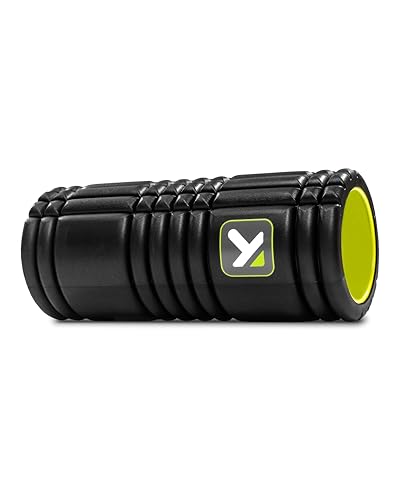
FAQ
Foam Rollers questions, answered straight
How long should I spend on one muscle group?
Short and deliberate beats long and rushed. A few slow passes over one area, with a pause on the tender spots, is the shape of a useful session. If you are timing it, think in slow breaths rather than minutes, and move on when the area feels less guarded rather than when the clock says so.
Should rolling hurt?
It should feel like firm pressure with a dull ache that eases as you breathe through it, not sharp pain and not pain that makes you brace. Sharp pain, pain over bone, or pain that lingers after the session means the pressure, the surface, or the placement was wrong. Step down a density class or add a towel layer, and check the foam roller problems and fixes guide for the roller-side causes.
Can I roll every day?
Most users can, provided the sessions stay short and the pressure stays moderate. Daily rolling goes wrong when every session is a maximum-pressure leg day on the firmest roller you own. Vary the intensity: use a medium or standard-density roller such as the 321 STRONG or the OPTP PRO-Roller for daily work, and keep the firm patterned rollers for the focused sessions that actually need them.
I only own one roller. Which mistake matters most?
Density mismatch, because it makes every other fix harder. A roller that is too firm for your body punishes every placement, and a roller that is too soft delivers nothing on the legs. If your one roller feels wrong on most placements, the density is the first thing to question, and the beginner foam roller guide explains how to pick the next one by length and density rather than by brand.