Fix it
Grappling Mat Problems and Fixes: Separating Tiles, Curling Rolls, Slick Surfaces, and Odor
Fix the common grappling mat problems: puzzle tiles separating, roll out edges curling, surfaces turning slick, new foam odor, permanent compression dents.
Mat problems are almost never product failures; they are installation, storage, and cleaning problems wearing a disguise. Work this list before condemning a floor, because the same fixes protect the next mat too, and most of them cost nothing but an hour and a broom.
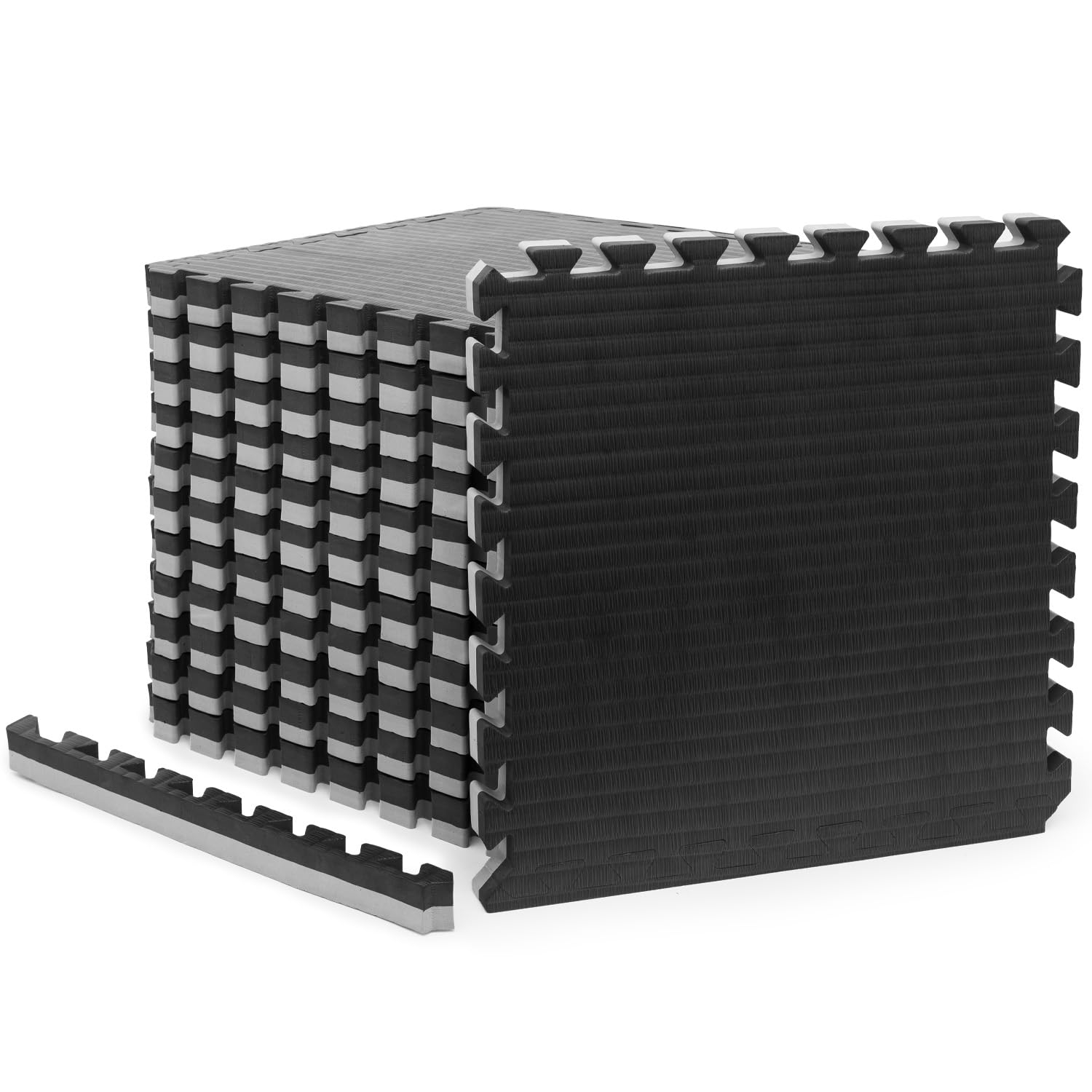
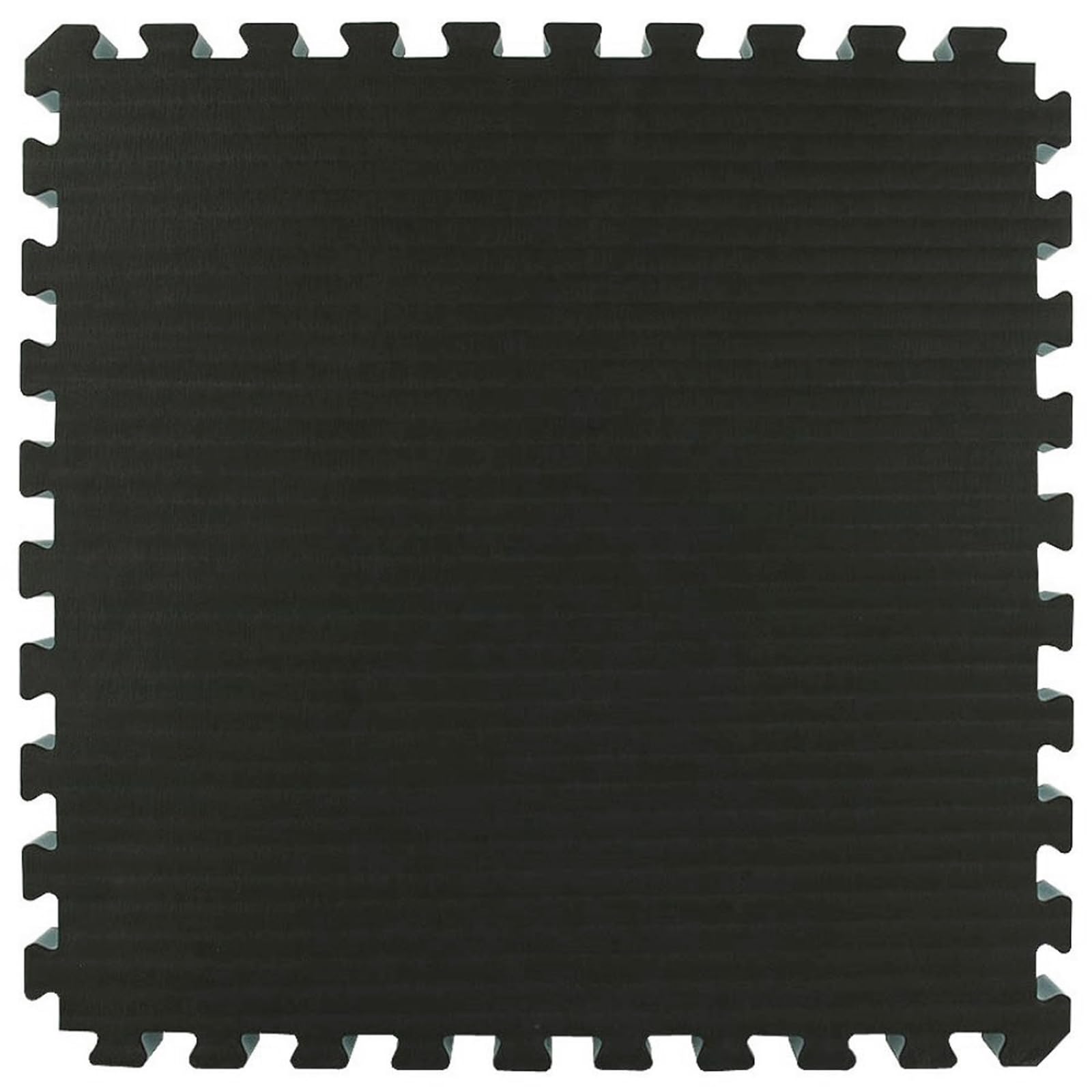
Puzzle tiles keep separating during training
Lock the floor in. Fit tiles wall to wall so the room perimeter holds compression, or add mat tape across the working seams and a non-slip underlay on smooth subfloors. Check that separation is not one damaged tile with worn teeth spreading gaps to its neighbors; replace that tile and the floor often settles.
Roll out mat edges curl and will not lie flat
Unroll it in a warm room, roll it once in the opposite direction, then weight the edges flat for a day. Train on it after it relaxes, not before. Curl returns when a mat is stored tightly rolled in a cold garage, so store roll outs in the warmest space available and unroll them a day ahead of a big session.
Surface has gone slick with sweat and use
Deep clean first: grit and skin oils polish any surface. Sweep, mop with a mat-safe disinfectant, and dry fully. During sessions, put a towel at the mat edge and wipe the work area between rounds. A surface that stays slick after real cleaning may be a worn smooth mat reaching the end of its texture life.
New mat odor fills the room
Air it flat, both sides if the design allows, in the most ventilated space you have, for several days before first training. Mild soap solution wipes help on vinyl. The smell is a new foam characteristic across brands; time and airflow are the cure, and sealing a new mat in a closed room is the mistake that stretches it to weeks.
Permanent dents where equipment stood
General EVA foam remembers loads. Lift equipment off tiles between uses, spread heavy feet on plywood pads, and rotate tiles so traffic and equipment lanes move. Firm grappling foam recovers better, which is one more reason working mats and equipment pads should be different products in the same room.
Toes catch on seams and tile edges
Find the raised edge and fix its cause: a tile not fully seated, debris under a corner, or a worn border lifting. Reseat, clean underneath, and tape chronic seams flat. Toe catches are how small installation faults announce themselves before they become torn tiles or stubbed injuries, so treat the first catch as a work order.
Still stuck? Compare the current top picks
Full ranked list
FAQ
Grappling and Gym Mats questions, answered straight
Can I repair a torn mat surface?
Small vinyl nicks can be sealed with vinyl repair products to keep moisture out, but a torn training surface in a high wear lane is a replacement case for tiles and a maker conversation for roll outs. Repairs change local friction, so keep them out of the main drilling area where possible.
How often should home grappling mats be disinfected?
After every session is the academy standard and the honest home standard too, with a quicker wipe acceptable after solo drilling. Skin infections are the main health risk in grappling; the mat routine is part of the sport, not housekeeping optional extras.
Why does my mat feel softer than when it was new?
Foam fatigues in the lanes where bodies land most. Rotate tiles or flip and rotate roll outs where the design allows, so wear spreads. A mat that has gone uniformly soft in a year of daily use was likely general density foam sold into grappling duty, which the buying guide in this topic helps you avoid next time.