Head to head
Nitrofit Limber Pro vs Precor 240i StretchTrainer (2027): Display and Pivot or Straps and Steel?
Limber Pro and 240i compared on how positions are set, which positions each format covers, padding approach, and what the premium buys in each case.
Nitrofit Limber Pro Stretch Machine vs Precor 240i Commercial Series StretchTrainer: the specs, side by side
| Spec | Nitrofit Limber Pro Stretch Machine | Precor 240i Commercial Series StretchTrainer |
|---|---|---|
| Type | Seated full-body stretch trainer with pivoting seat | Seated and kneeling stretch station with handlebar and wrist straps |
| Adjustment | Body-weight pivot with calibrated position display | Body position and strap placement, no geared settings |
| Max user weight | 250 lb (manufacturer listing) | 250 lb class (manufacturer listing) |
| Assembled size | Approx. 50 x 23 x 31 in class footprint - check current listing dimensions | Approx. 52 x 28 x 36 in class footprint - check current listing dimensions |
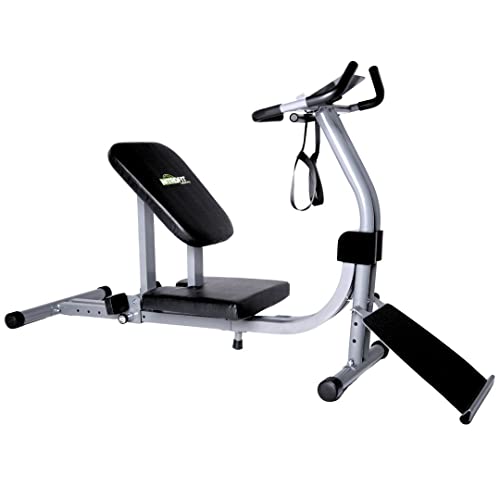 Nitrofit
 Limber Pro Stretch Machine
A seated full-body stretch trainer with a pivoting seat and calibrated stretch display.
- Type: Seated full-body stretch trainer with pivoting seat
- Adjustment: Body-weight pivot with calibrated position display
Sources: Nitrofit Limber Pro product documentation, Amazon listing specifications
Check price on Amazonor add to your Amazon cart Precor
 240i Commercial Series StretchTrainer
The gym-floor stretch station design, brought home: seat, kneeling pad, and wrist straps.
- Type: Seated and kneeling stretch station with handlebar and wrist straps
- Adjustment: Body position and strap placement, no geared settings
Sources: Precor 240i StretchTrainer product documentation, Amazon listing specifications
Check price on Amazonor add to your Amazon cartOur recommendation
Buy the Limber Pro if you want a guided, logged seated routine with a position display. Buy the 240i if the gym stretch station format is already your routine and you want its frame and straps at home. Both are premium, passive, and furniture-sized; the difference is philosophy, not quality tier.
How a position is set
The Limber Pro pivots its seat and handlebar and shows the setting on a display. The 240i fixes the frame and sets leverage with body placement and wrist straps. Repeatability is built into the Nitrofit; familiarity is built into the Precor.
Position catalogue shape
Both cover back, hip, leg, and shoulder work from a seated base. The 240i adds kneeling positions as a core element. The Limber Pro leans harder into seated holds with padded supports. Map your own routine against each catalogue before pricing either.
What the money buys
With the Nitrofit you pay for mechanism and guidance. With the Precor you pay for commercial frame construction and a long service history in gyms. Neither premium is wasted; they simply buy different things.
Choose Nitrofit Limber Pro Stretch Machine if…
- You want numbered, repeatable settings for a logged routine
- Padded seated holds are the core of your sessions
- A second user in the house benefits from guided setup
Choose Precor 240i Commercial Series StretchTrainer if…
- You already know and like the gym stretch station routine
- Kneeling positions are part of your regular work
- Frame build and brand service history top your criteria
FAQ
Stretching Machines questions, answered straight
Which is easier for a beginner to learn?
The Limber Pro, usually: the display and pivot give immediate feedback on where a setting is. The 240i rewards users who arrive with the gym routine already learned.
Which takes less room?
They are in the same furniture class. Check the assembled dimensions in each spec table and measure your corner; neither is a store-away product.
Do either of them cover leg angle work?
Only as seated leg positions. Wide angle leg training belongs to the frame designs reviewed elsewhere in this hub.