Fix it
Yoga Mat Overheating and Heat Damage: Why Mats Get Hot, Go Tacky, and When to Replace Them
Why yoga mats overheat and suffer heat damage: how PVC, natural rubber, polyurethane, cork, and TPE react to hot rooms, sun, hot cars, heated floors, and radiators, and when a mat is finished.
A yoga mat does not overheat the way a person does. It absorbs heat from the room, the sun, and the floor beneath it, holds that heat in its surface, and then behaves differently under your hands and feet. Which change you see depends on the material, so the same hot afternoon can leave one mat merely warm to the touch and another with a softened top layer or a smell that has come back after months of quiet. This guide explains the heat behaviour of each material in this hub, material by material, so you can tell a mat that needs cooling and better storage from a mat that heat has finished.
Mat feels hot to the touch before practice even starts
Dark natural rubber absorbs heat faster than pale PVC, which is why a Jade Harmony Professional or a Manduka eKO 5mm left near a sunny window can feel warm while a Manduka PRO 6mm on the shaded side of the same room feels neutral. Test the surface with the back of your hand before you step on. If it feels hot, unroll it in the shade and let it cool flat for ten minutes rather than practising on a heated surface, because a hot surface grips differently and sweats your hands faster than the same mat at room temperature. The best yoga mats for hot yoga guide ranks the same materials on damp-hand grip once a session is under way.
Polyurethane top softens and wears faster after heated sessions
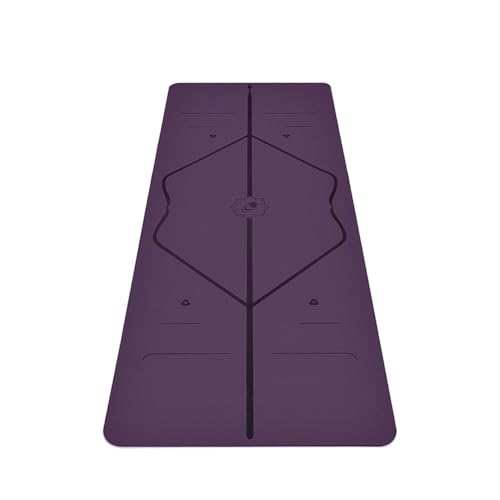
Polyurethane is the grip leader in this hub and also the least forgiving of heat. The Liforme Original, the Yoga Design Lab Infinity Mat, and the IUGA Pro all carry polyurethane tops that grip strongly as hands get damp, and all three records warn that the top surface shows wear sooner than PVC under daily hard use, with stricter care rules on cleaners and heat storage. In a heated room, sweat and warmth work together on that top layer, so wipe the surface with a gentle cleaner after the session, dry it fully unrolled in moving air, and never roll it away damp. If the high-contact zones under hands and feet start to look polished, thin, or patchy after a run of hot classes, that is the top layer wearing, not dirt, and cleaning will not bring the grip back.
Sun through a window heats one strip of the mat
Glass focuses the problem. A mat stored or practised on in a strip of direct sun gets its heat in one band, which is why a Jade Harmony can fade and age faster along one edge while the rest looks new, and why a Liforme left with its top facing a window can show wear in a stripe. Move the practice spot out of the sunlit patch, or close the blind for the session, and store the mat where no daily sunbeam lands on it. Natural rubber needs protection from sun and heat to age well, and the open-cell surface of the Jade Harmony also absorbs moisture, so a sun-warmed damp mat that is rolled away before it dries is dealing with two kinds of damage at once. For the storage routine that prevents most of this, see our yoga mat troubleshooting guide.
Mat was left in a hot car and now feels different
A hot car is the harshest heat a mat meets in normal ownership, and the Liforme record says it plainly: buyers should skip it if the mat will live in a hot car or direct sun, because polyurethane surfaces do not forgive that storage. The same warning applies in softer terms to every rubber mat here. A Jade Harmony or Manduka eKO left in a boot can come out with a stronger rubber smell, a surface that feels tacky or oddly dry, and edges that have taken a set from being folded against a seat. Cool it flat indoors, clean it gently, and practise on it once before judging it. If the tackiness or the changed texture survives cooling and cleaning, the heat has changed the material itself, and no care routine reverses that.
Heated floor or radiator warms the mat from underneath
Underfloor heating and radiators heat a mat from the base, which owners notice as a mat that feels fine on top and oddly soft or warm underneath, and as grip that feels different in the spot nearest the heat source. Closed-cell PVC copes best with routine warmth: the Manduka PRO 6mm and the Manduka PROlite 4.7mm both resist moisture absorption and wipe clean easily, and their dense PVC is the most forgiving surface in this hub. Rubber and polyurethane are less tolerant, so keep a Jade Harmony, a Manduka eKO, or a Liforme off a heated floor zone and away from a radiator, using a rug or a different floor spot as a buffer. A mat that lives permanently over a heat source ages on a shorter clock than the same mat stored in a cool corner, even if no single day looks dramatic.
Cork mat dries out and its edges chip after hot, dry storage
Cork behaves unlike any other surface here. The Gaiam Cork Yoga Mat grips more as it gets damp, which makes it a warm-practice favourite, but its record also notes that cork needs drying after damp sessions and that its edges need care to avoid chipping over time. Hot, dry storage pushes the same weakness from the other side: a cork top left near a radiator or in a sun-baked room can dry to a brittle feel at the edges, where chips then start. After a damp session, dry the mat unrolled until it is fully dry, then store it flat or loosely rolled in a cool spot away from direct heat. If the edges have already started to chip, trim nothing and glue nothing; keep the mat away from heat, handle the edges gently when rolling, and treat chipping that spreads as a sign the mat is nearing replacement.
Mat has gone tacky, sticky, or brittle and grip has changed with it
Heat damage announces itself by touch, and each material announces it differently. A polyurethane top on a Liforme or an IUGA Pro that has gone tacky or patchy under the hands has a worn top layer. Natural rubber on a Jade Harmony or a Manduka eKO that has dried and cracked, or that feels brittle at the edges, has aged past its working life. A PVC mat such as the Manduka PRO that still feels dense and consistent after cooling and cleaning is usually fine, because closed-cell PVC is the hardest surface here to damage with ordinary room heat. The test is simple: clean the mat by its own care routine, dry it fully, and practise on it cool. If the tackiness, brittleness, or grip loss is still there on a clean, cool, dry mat, the material has changed and the mat should be replaced. Keep using a heat-damaged mat only if the change is slight and the grip is still secure; a mat that slips when it is warm is a mat that will slip at the worst moment of a practice. For a grip-first comparison across these materials, see our guide to the best grip yoga mats.
Still stuck? Compare the current top picks
Full ranked list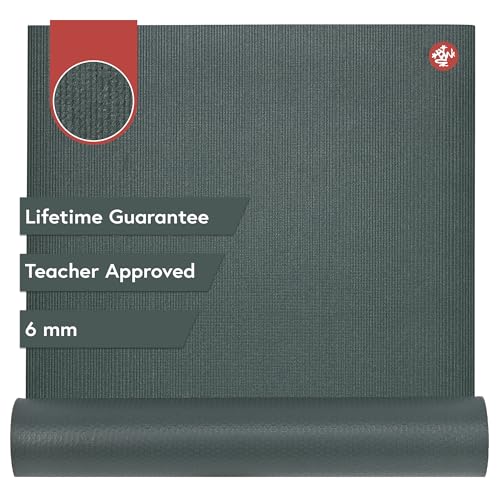

FAQ
Premium Yoga Mats questions, answered straight
Can I leave my mat in a hot car for one afternoon?
One afternoon can be enough to change a polyurethane or rubber mat, and the Liforme record names hot-car storage as a reason to choose a different mat. If it has already happened, cool the mat flat indoors, clean it gently, and check the touch and grip before the next session. Do not make it a habit for any mat in this hub, and never for a Liforme, a Jade Harmony, or a Manduka eKO.
Does heat damage happen in a normal warm room, or only in extreme storage?
Normal warm practice does not damage these mats; it is how they are designed to be used, and polyurethane and cork are built for warm rooms. Damage comes from heat plus time in storage: sun through glass, a radiator, a heated floor, or a hot car, repeated day after day. A mat that is used warm and stored cool lasts far longer than a mat that is stored warm and used rarely.
My rubber mat smells worse in summer. Is that heat damage?
Usually it is heat waking up a normal rubber smell, not damage. Warm air releases more of the natural rubber odour from a Jade Harmony or a Manduka eKO, and the smell fades again when the mat cools and airs. Heat damage smells different and feels different: it comes with tackiness, cracking, or grip that does not return after cleaning. Smell alone, with a normal surface, is a ventilation problem, so air the mat unrolled in a cool room.
The IUGA TPE mat has no rubber smell. Does that mean heat cannot hurt it?
No. The IUGA TPE Yoga Mat 72 x 24 x 6mm is a TPE mat, not natural rubber, so it has no rubber odour period and is lighter than an equivalent rubber mat, but it is still a soft-topped mat that ages faster in hot storage than in a cool room. Its XL footprint also needs a bigger storage spot, which makes it easy to leave leaning against a radiator or in a sunny corner by accident. Store it cool and flat like the others, and judge it by grip and surface condition, not by smell.