Fix it
Yoga Mat Problems and Fixes: New-Mat Slickness, Odour, Curling Edges, Surface Wear, and Grip Loss
Fix common premium yoga mat problems: break-in slickness on PVC, natural rubber odour, edges that curl, polyurethane surface wear.
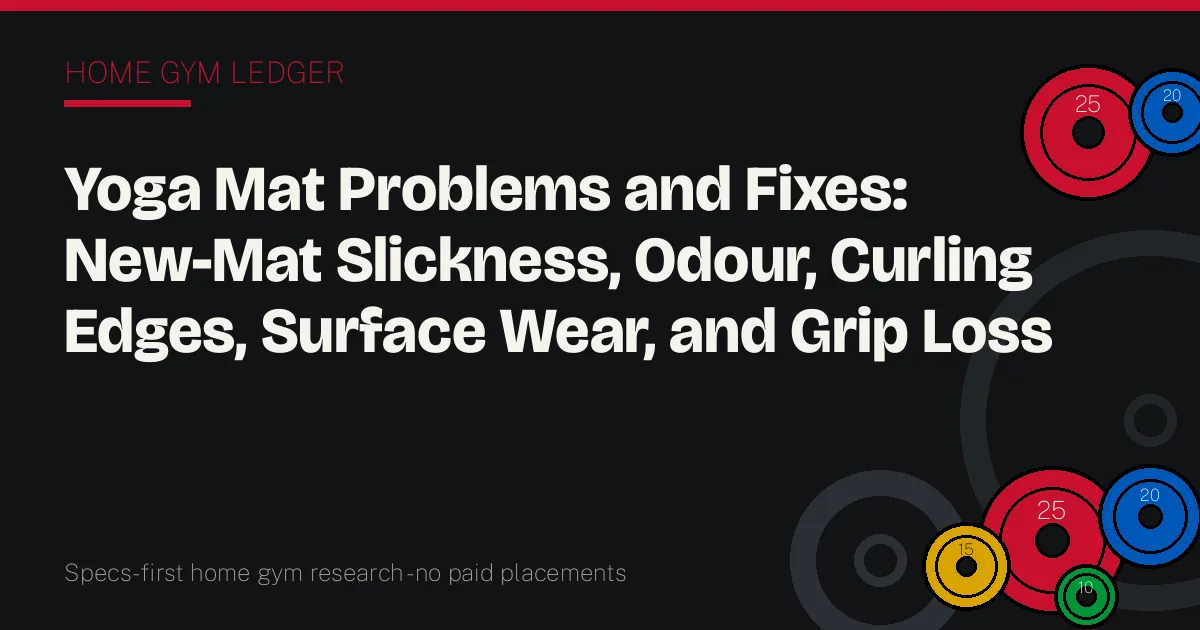
Most premium mat problems are material behaviours with known fixes, not defects. Work this list in order before concluding a mat has failed. The exceptions are short: a delaminating surface, a mat that has gone tacky or brittle from heat, and rubber that has dried and cracked. Those are end-of-life signs, not maintenance items.
New PVC mat feels slick (Manduka PRO and PROlite)
This is the manufacturing surface film, and it is temporary. Follow the maker's break-in: a coarse salt scrub spread over the surface, left to sit, then wiped and dried, or simply practise through the first weeks as use opens the surface. Do not use household oils or conditioners, which make the film worse and void the care contract.
Natural rubber mat smells strongly at unboxing
Unroll the mat in a ventilated room and let it air for the first days, re-rolling loosely between sessions if it must be stored. The odour is inherent to natural rubber and fades with air and use. Sealed bags and hot rooms slow the process; patience and airflow are the whole cure.
Mat edges curl and will not lie flat
Roll the mat in the reverse direction with the top surface facing out, leave it weighted flat overnight, and store it rolled with the practice surface outward from then on. Persistent curl after heat exposure suggests the material has taken a set from storage conditions, which is a storage fix for the replacement, not a rescue for this mat.
Grip has faded on a rubber or polyurethane mat
Clean the surface with the maker's gentle method to remove the film of sweat, skin oils, and dust that masks grip, then air dry completely. If grip returns, the problem was residue, not wear. If a clean, dry surface still slips in the high-contact zones, the top layer is worn and the mat is approaching replacement.
Mat slides on the studio or home floor
Check both sides: a dusty mat underside and a dusty floor defeat any base material. Wipe the underside, sweep or damp-mop the practice spot, and confirm the mat is fully dry before practice. Rubber bases grip best clean; a thin rug or mat underlay is the standing fix for polished floors.
Still stuck? Compare the current top picks
Full ranked list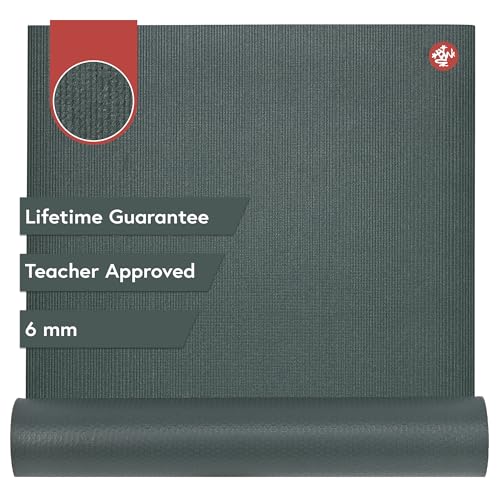


FAQ
Premium Yoga Mats questions, answered straight
Can I machine wash or soak a premium mat?
No for the mats in this guide. Soaking and machine washing damage rubber and polyurethane surfaces and are against every maker's care guidance here. Surface cleaning plus full air drying is the supported routine.
How do I store a premium mat between daily sessions?
Rolled loosely or hung, indoors, away from direct sun and heat sources, fully dry before it is put away. That single habit set is responsible for most of the lifespan difference between identical mats.
When is a premium mat actually finished?
When a cleaned surface no longer grips in its contact zones, when the top layer flakes or delaminates, or when rubber has dried to cracking. At that point the mat has delivered its service life and replacement is maintenance, not failure.