In-depth review
BalanceFrom Puzzle Exercise Mat Review (2027): Big Coverage, Two Thicknesses, One Caveat
Full research review of the BalanceFrom puzzle mat: 1/2 and 1 inch EVA versions, pack economics, seam behavior, and the foam ceiling on load.
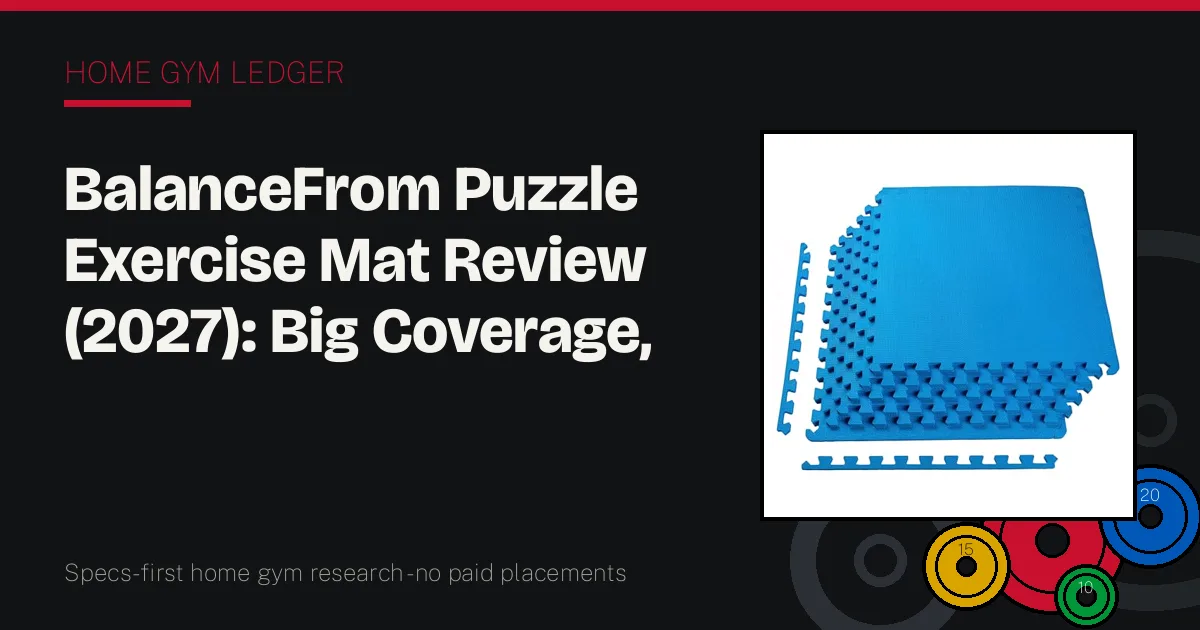
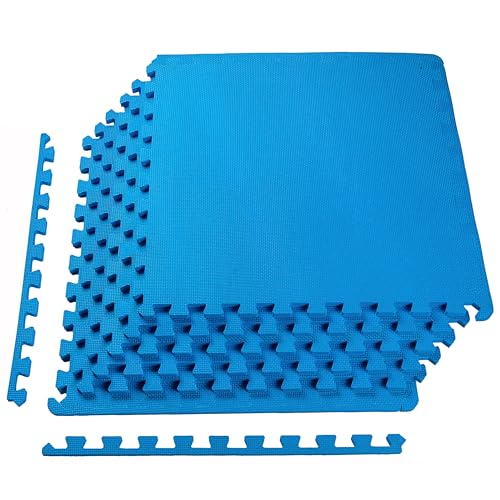
BalanceFrom Puzzle Exercise Mat with EVA Foam Interlocking Tiles
A budget foam mat sold in 1/2 and 1 inch versions with big coverage packs.
- 1/2 in and 1 in versions sold
- Thickness
- 24 x 24 in per tile
- Tile size
- 24 sq ft and larger packs depending on version
- Coverage
Our verdict
BalanceFrom wins on arithmetic. Its packs cover large rooms at the lowest honest cost per square foot in this guide, and the choice between half inch and 1 inch versions lets buyers match cushioning to training instead of accepting a house standard. The 1 inch mat is genuinely plush for floor work and forgiving for light equipment. The caveat never changes: it is EVA foam at any thickness, so racks dent it, heavy drops bottom it out, and seams need a bound install. As a big-room, light-load floor it is the value benchmark; as a lifting surface it is the wrong material with extra padding.
What we like
- 1 inch version adds genuine impact cushioning for floor work and light drops of small gear
- Large packs bring the per-square-foot cost down below most foam rivals
- Double-sided textured surface grips shoes better than smooth foam tiles
What to watch out for
- Foam compresses under heavy benches and racks regardless of thickness
- Pack color and dye lot can vary slightly between separate orders
Who it is for
Buyers flooring a large garage or basement for general training, classes, and floor work, where coverage cost dominates the decision.
Half inch versus 1 inch, in practice
The half inch version is a protective, lightly cushioned surface comparable to the ProsourceFit class. The 1 inch version changes the room: planks, kneeling work, and play-plus-training mixes become comfortable on bare concrete. The trade-offs are door clearance, a softer feel underfoot during standing lifts, and more seam movement to manage.
Pack economics and dye lots
Large packs are the point of this product. Owners covering 100-plus square feet report the per-foot cost undercutting smaller branded packs substantially. The discipline is ordering the whole room plus spares in one order, because shade and tooth fit can drift slightly between batches bought months apart.
Seams at scale
Big foam installs magnify creep: more seams, more movement paths. The successful owner pattern is wall-to-wall fitting, which turns the room itself into the frame, with cuts at the perimeter instead of borders floating mid-room. Island installs of this mat are the ones that generate separation complaints.
Durability in mixed-use rooms
In garages that also host kids, storage, and projects, the mat takes scuffs and shoe marks that read as patina rather than damage. Equipment feet dent it as they dent all foam. For mixed-use coverage, owners rate it highly; for dedicated heavy gyms, they migrate the lifting zone to rubber and keep this everywhere else.
Key specifications
- Thickness
- 1/2 in and 1 in versions sold
- Tile size
- 24 x 24 in per tile
- Coverage
- 24 sq ft and larger packs depending on version
- Material
- EVA foam with double-sided non-slip texture
- Edges
- Removable border pieces included
What owners report
Commonly praised
- Coverage for the money is the headline praise
- The thicker version makes garage concrete comfortable for full workouts
- Tiles are easy to trim with a utility knife for corners
Common complaints
- Seams gap at the edges of large installs without a wall or tape to hold them
- Surface shows scuffs from shoe pivots over time
- Thickness makes door clearance a problem in some rooms
Recurring themes from owner reviews on retailers and forums, summarised by our editors. Updated November 2026.
Sources: BalanceFrom puzzle exercise mat product documentation, Amazon listing specifications
Also consider
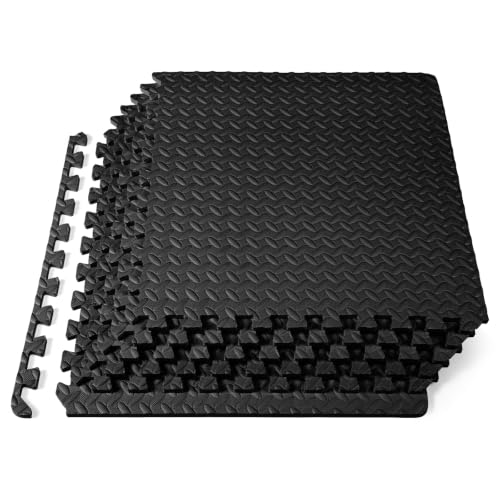 ProsourceFit
 Puzzle Exercise Mat EVA Foam Interlocking Tiles
The default foam puzzle mat: 24 inch tiles, half inch thick, borders included.
- Thickness: 1/2 in
- Tile size: 24 x 24 in per tile
Sources: ProsourceFit puzzle exercise mat product documentation, Amazon listing specifications
Check price on Amazonor add to your Amazon cartChoose ProsourceFit for smaller rooms where its borders and tile consistency beat BalanceFrom on finish, at a slightly higher cost per foot. Read our ProsourceFit Puzzle Exercise Mat EVA Foam Interlocking Tiles review
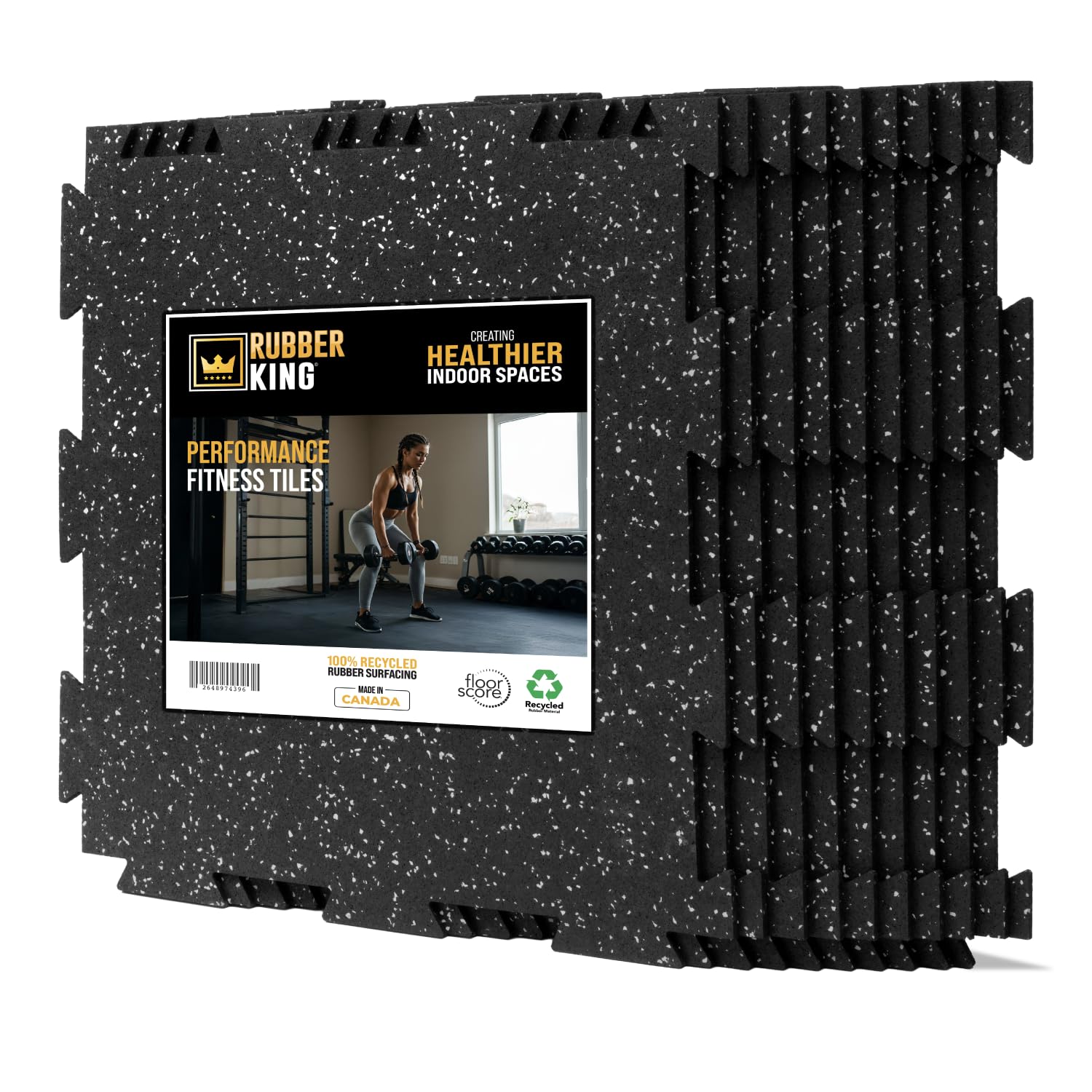 Rubber King
 Interlocking Rubber Floor Tiles
Recycled rubber tiles that behave like gym flooring, not like a mat.
- Thickness: 6 mm and 10 mm versions sold
- Tile size: Interlocking tiles, size varies by version
Sources: Rubber King interlocking tile product documentation, Amazon listing specifications
Check price on Amazonor add to your Amazon cartChoose Rubber King when the large room includes a real lifting zone; many owners run BalanceFrom for open floor and rubber under the rack. Read our Rubber King Interlocking Rubber Floor Tiles review
Research-based assessment: manufacturer specifications and documentation, cross-checked against retailer listings and recurring themes in published owner feedback. We do not claim hands-on testing we have not performed.
FAQ
Interlocking Floor Tiles questions, answered straight
Is the 1 inch version better for lifting?
Better for comfort, not for load. Thick foam feels less stable under heavy standing lifts and still dents under equipment. Lifting zones want density (rubber), not depth (foam).
Can I mix BalanceFrom packs bought at different times?
Usually, with a small risk of slight shade or fit differences. Put newer tiles in low-visibility areas and keep same-batch tiles for the center of the room.
Does it work as a kids play floor too?
Yes, and that dual use is a common owner pattern: the cushioning and coverage suit play, and the surface wipes clean. Just move heavy gym equipment off it rather than storing it on the foam.