Buying guide
Gym Flooring Buying Guide (2027): Materials, Thickness, Coverage Math, and Installation
How to buy gym flooring: choose rubber or foam by job, match thickness to impact, calculate coverage with waste, plan seams and edges.

Assign the material by job, room by room
Walk your gym plan and label every zone: iron zone, equipment zone, floor work zone, traffic zone. Rubber serves the first two, foam serves the third, and either survives the fourth. Most flooring regret comes from one material stretched across all four labels to save a decision. Zoning costs little more and ends the denting, tearing, and instability complaints that fill owner forums for this category.
Match thickness to the heaviest impact
Use maker listed thickness as a job rating. 8 mm class rubber is the general equipment standard. 3/4 inch rubber is the repeated heavy drop standard. Foam thickness buys comfort for body impact only. If your heaviest regular event is a dropped deadlift, no thinner product in this guide is a saving; it is a delayed second purchase plus a possible floor repair.
Top picks from our research
Full ranked list
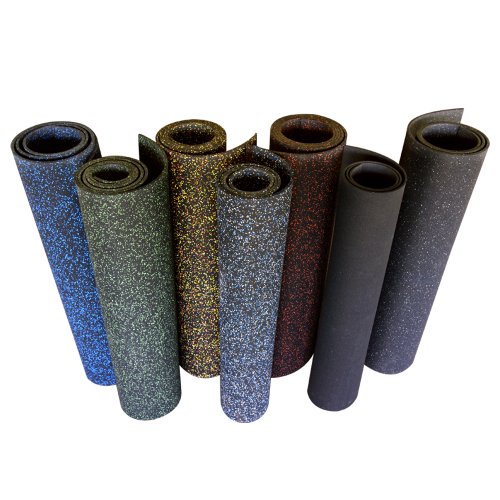

Do coverage math with waste, in writing
Area first: length times width. Then add waste for cuts around walls, posts, and doorways, modest for tile grids in square rooms, higher for rolls matched by width and for puzzle layouts you want centered. Price every candidate as total delivered cost divided by your usable covered area. That one number, computed honestly, reverses many sticker based rankings in this category.
Plan seams, edges, and transitions
Decide how the floor ends before it starts: border pieces, taped butt seams, roll perimeter tape, or a transition strip where flooring meets the rest of the house. Zone changes between rubber and foam need a height plan so the border does not become a toe catcher. Photograph pro gym floors and copy their edges, not their colors; edges are where amateur installs confess.
Prepare for odor, moisture, and maintenance
Schedule ventilation for week one, wash new rubber per maker guidance, and in basements check slab moisture and the maker notes for underlayment before covering a floor you will not see for years. Maintenance is simple after that: vacuum grit that grinds surfaces, mop with compatible cleaners, and replace the single worn tile or mat section instead of living with the scar.
FAQ
Gym Flooring and Rubber Mats questions, answered straight
What flooring goes under a home gym on the second floor?
Impact and load become building questions on upper floors: rubber for protection, controlled lifting without drops, and honest assessment of the structure for heavy racks. Many second floor gyms choose dumbbell and machine training over deadlift drops for exactly this reason.
Can gym flooring go directly on concrete?
Yes, that is the standard garage and basement installation for rubber and foam alike. The concrete should be clean, reasonably level, and dry, with moisture checked in basements. Cracks and expansion joints telegraph through thin materials; thicker rubber hides more of them.
How much extra flooring should I order?
Enough to cover cutting waste for your layout plus one or two spare pieces for future damage swaps, from the same batch. Spares stored flat in a corner are the cheapest insurance in this category, because batch matching later is luck, not planning.