In-depth review
Rubber-Cal Elephant Bark Roll Review (2027): Whole Room Rubber Without a Thousand Interlocks
Full research review of the Rubber-Cal Elephant Bark roll: thickness selection, unrolling and seam work, edge behavior, and when rolls beat tiles on cost.
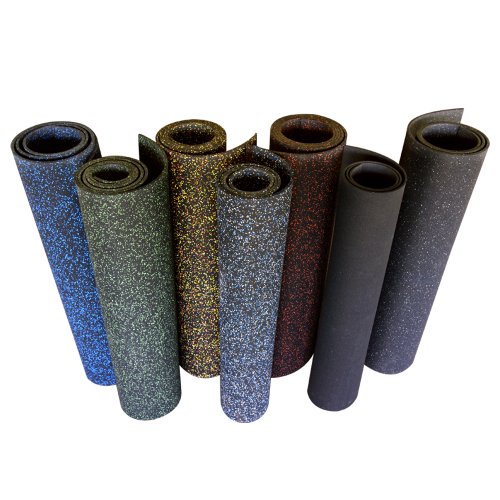
Rubber-Cal Elephant Bark Rubber Flooring Roll
A recycled rubber roll for whole rooms: few seams, custom lengths, and a utility surface that disappears under a gym.
- Recycled rubber flooring roll per maker specification
- Material
- Maker listed thickness options by roll selection; confirm on listing
- Thickness
- By roll width and length selected on the maker listing
- Coverage
Our verdict
The Elephant Bark roll is the flooring for rooms that have outgrown piece by piece thinking. One material, laid in long runs with taped seams, gives a garage or basement gym a single continuous surface that reads as intentional. The work is front loaded: heavy rolls to move, relaxation time before edges lie flat, and long straight cuts that forgive nothing. Chosen in the right thickness for the training, it is also the easiest full room surface in this guide to keep clean. Rooms with many corners and obstacles belong to tiles; big open rectangles belong to this roll.
What we like
- Roll format covers large areas with seams only where roll widths meet
- Maker offers thickness and length options so the purchase matches the training load
- Recycled rubber surface handles equipment, foot traffic, and garage life in one material
What to watch out for
- Rolls are heavy and awkward to maneuver through stairs and doorways
- Edges can curl until the roll relaxes or is taped at the perimeter
Who it is for
Owners flooring a large open garage or basement gym in one project, with mixed equipment and conditioning work.
Choosing thickness from the maker options
The line offers thickness options, and the choice should follow the heaviest thing that will meet the floor: lighter options for cardio and general rooms, heavier for free weight zones, with stall mats still the upgrade for a true drop zone. Read the maker guidance for the specific roll you select, because the range spans utility flooring and gym flooring in one product family.
The install: patience as a material
Rolls arrive compressed and need time to relax flat, especially at the curled ends. Owners who rush this step fight edges for months; owners who unroll, weight the ends, and wait days report flat floors. Seams are taped from above or below per installer practice, cuts run along a straightedge, and the whole room is a two person day of work that then simply stays done.
Daily life on a roll
With no interlock grid, sweeping and mopping are the fastest of any full floor here, and conditioning work that drags across tiles stays calm on a roll. Grip is consistent, the surface hides dust and chalk reasonably, and equipment rolls into place without catching tile edges. In garages the same surface takes workshop traffic, which multi use households count as a feature, not a compromise.
Roll versus tile economics
Cross over happens with area and openness. Count tile packs for your room, then price the roll footage with waste from width matching, and let your actual rectangle decide. Rolls waste more in narrow or cut up rooms and less in big open ones. Delivery weight is the hidden line item: confirm how the roll ships and who helps at the door before the order is placed.
Key specifications
- Material
- Recycled rubber flooring roll per maker specification
- Thickness
- Maker listed thickness options by roll selection; confirm on listing
- Coverage
- By roll width and length selected on the maker listing
- Installation
- Loose lay or double sided tape at seams and perimeter per maker guidance
- Surface use
- Full room gym and utility flooring per maker guidance
What owners report
Commonly praised
- Seamless look across a full garage is the praise owners lead with
- Surface grip stays secure under conditioning work
- One material for gym, workshop, and storage zones suits garage life
Common complaints
- Unrolling and relaxing the material takes days, not hours
- Delivery weight surprises buyers at the door
- Odor in enclosed basements needs active ventilation at first
Recurring themes from owner reviews on retailers and forums, summarised by our editors. Updated November 2026.
Sources: Rubber-Cal Elephant Bark product documentation, Amazon listing specifications
Also consider
 IncStores
 8mm Strong Rubber Interlocking Tiles
The manufactured rubber tile benchmark: consistent 8 mm rubber, clean edges, real gym behavior.
- Material: Recycled rubber interlocking tiles per maker specification
- Thickness: 8 mm
Sources: IncStores Strong Rubber Tiles product documentation, Amazon listing specifications
Check price on Amazonor add to your Amazon cartChoose tiles if your room is small, L shaped, or likely to be reconfigured, where piece by piece flexibility beats long runs. Read our IncStores 8mm Strong Rubber Interlocking Tiles review
Research-based assessment: manufacturer specifications and documentation, cross-checked against retailer listings and recurring themes in published owner feedback. We do not claim hands-on testing we have not performed.
FAQ
Gym Flooring and Rubber Mats questions, answered straight
How long until roll edges lie flat?
Owner reports range from a couple of days to over a week depending on thickness, temperature, and how long the roll was stored. Warm rooms relax rubber faster. Perimeter tape after relaxation locks the result in.
Can one person install a flooring roll?
Moving the roll argues for two people; laying and cutting it is feasible solo once it is in the room and relaxed. Plan the delivery and the carry as a two person job and the rest as a careful solo project.
Does the roll need adhesive?
Most home installations loose lay with tape at seams and perimeter per maker guidance. Full adhesive is a commercial approach that sacrifices the renter and reconfiguration friendliness home gyms value. Confirm the recommendation for your chosen thickness on the maker page.