Fix it
Interlocking Tile Problems and Fixes: Separating Seams, Odor, Dents, Curling, and Slipping
Fix the common interlocking tile problems: seams that walk apart, lingering rubber smell, permanent dents, curling edges, and tiles sliding on smooth floors.
Most tile problems are install problems wearing a disguise. Seams separate because the floor is unbound, smells linger because ventilation was skipped, and tiles slide because the subfloor was too smooth for a floating install. Work these fixes in order before replacing anything.
Seams keep separating during workouts
Bind the install. Butt one side against a wall, tape perimeter and high-movement seams with double-sided carpet tape, and place the heaviest equipment zone over seam lines. If the floor is an island, add a border frame or accept a re-press of seams as weekly maintenance.
Rubber smell will not fade
Ventilate aggressively for a week: open windows, a fan exhausting the room, and one mop with a mild detergent solution. Charcoal odor absorbers help in sealed rooms. Smell that survives three ventilated weeks usually means the tiles went in without the initial outdoor airing; lifting and airing them now still helps.
Permanent dents from equipment feet
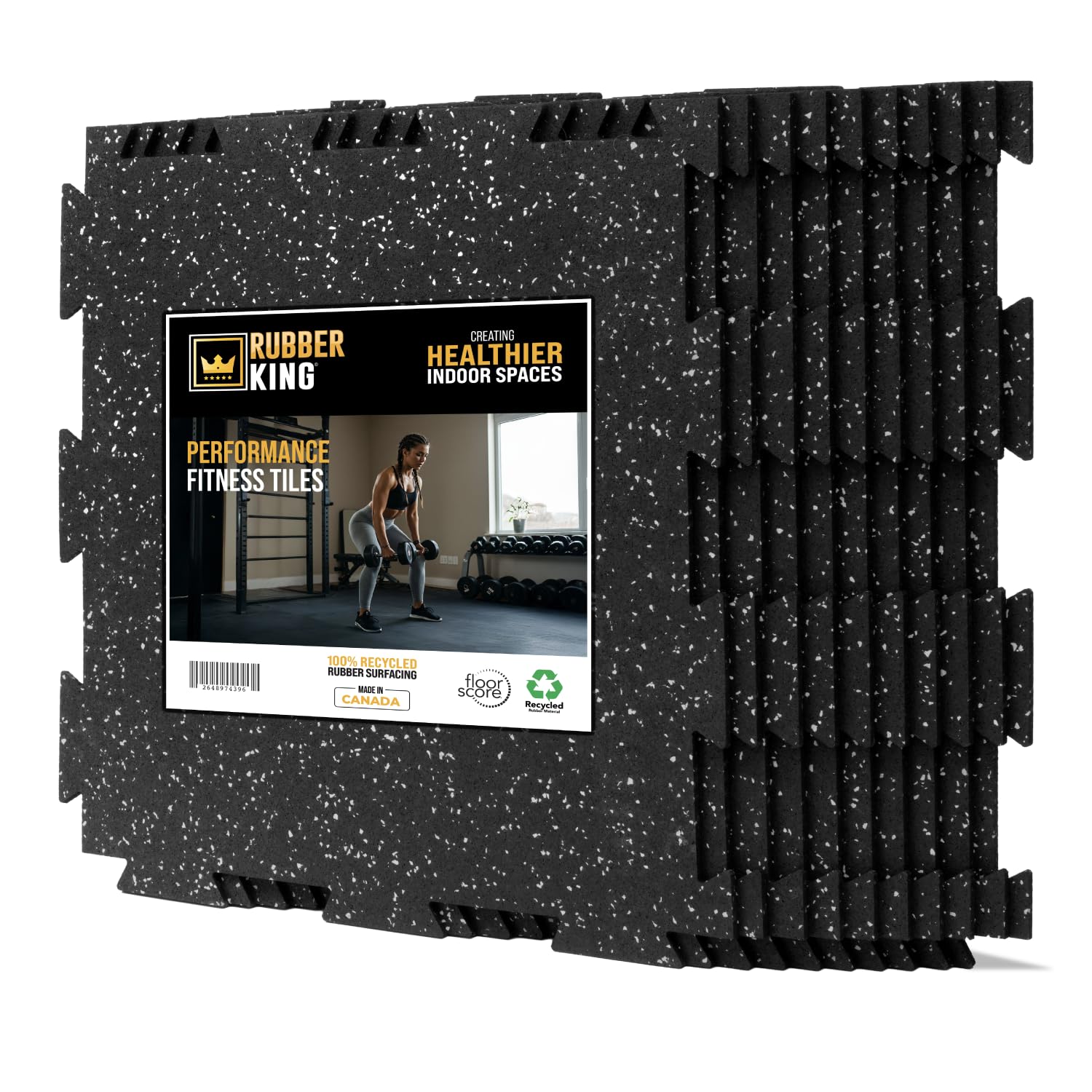
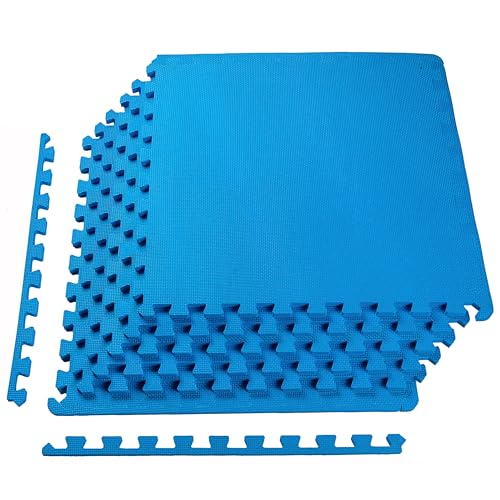
Foam dents do not recover; move the equipment onto rubber tiles, stall mat offcuts, or plywood load spreaders, and rotate the dented foam tiles to low-visibility spots. Going forward, any load that sleeps on the floor sleeps on rubber or a spreader.
Tile edges curl up
Curling usually follows heat, direct sun, or tiles installed under tension. Relay the area with the tiles at room temperature, leave a small expansion gap at walls in sunlit rooms, and weight the seams overnight. Warped individual tiles can be flipped and weighted, or replaced from spares.
Whole install slides on smooth flooring
Add friction: a non-slip rug underlay sheet under the tile area is the clean fix and doubles as subfloor protection. Perimeter tape works for small installs. Avoid adhesives on finished floors you do not own or plan to refinish.
Musty smell from under the tiles
Lift the tiles and inspect for moisture. Concrete vapor and small spills migrate under floating floors and stay there. Dry the subfloor fully, solve the moisture source, and consider a perforated or raised tile in chronically damp basements so air can move beneath.
Still stuck? Compare the current top picks
Full ranked list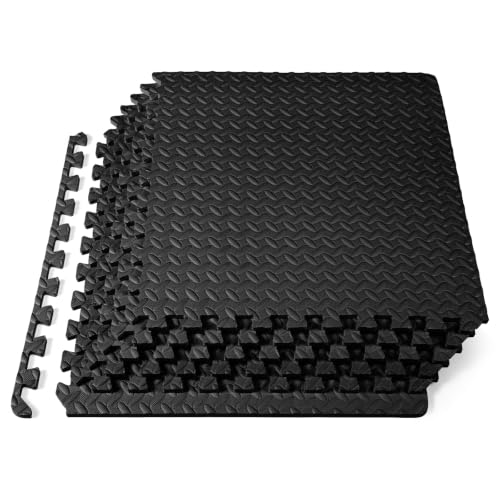
FAQ
Interlocking Floor Tiles questions, answered straight
Can I glue interlocking tiles down?
You can, and it ends the format's main advantage. Glue only when the install is permanent, the subfloor is yours, and seam movement has defeated tape and framing. Most home gyms never need it.
A tile tore at the puzzle teeth. Can it be repaired?
Not structurally. Swap the tile to an edge position where the torn tooth carries less load, or replace it from your spare pack. Torn teeth in the center of an install will keep separating.
How do I deep clean tiles?
Foam and rubber both mop with mild detergent and water; avoid soaking seams on wood subfloors. Hard plastic tiles can be lifted and hosed. Let everything dry before training, because detergent film is slippery under shoes.